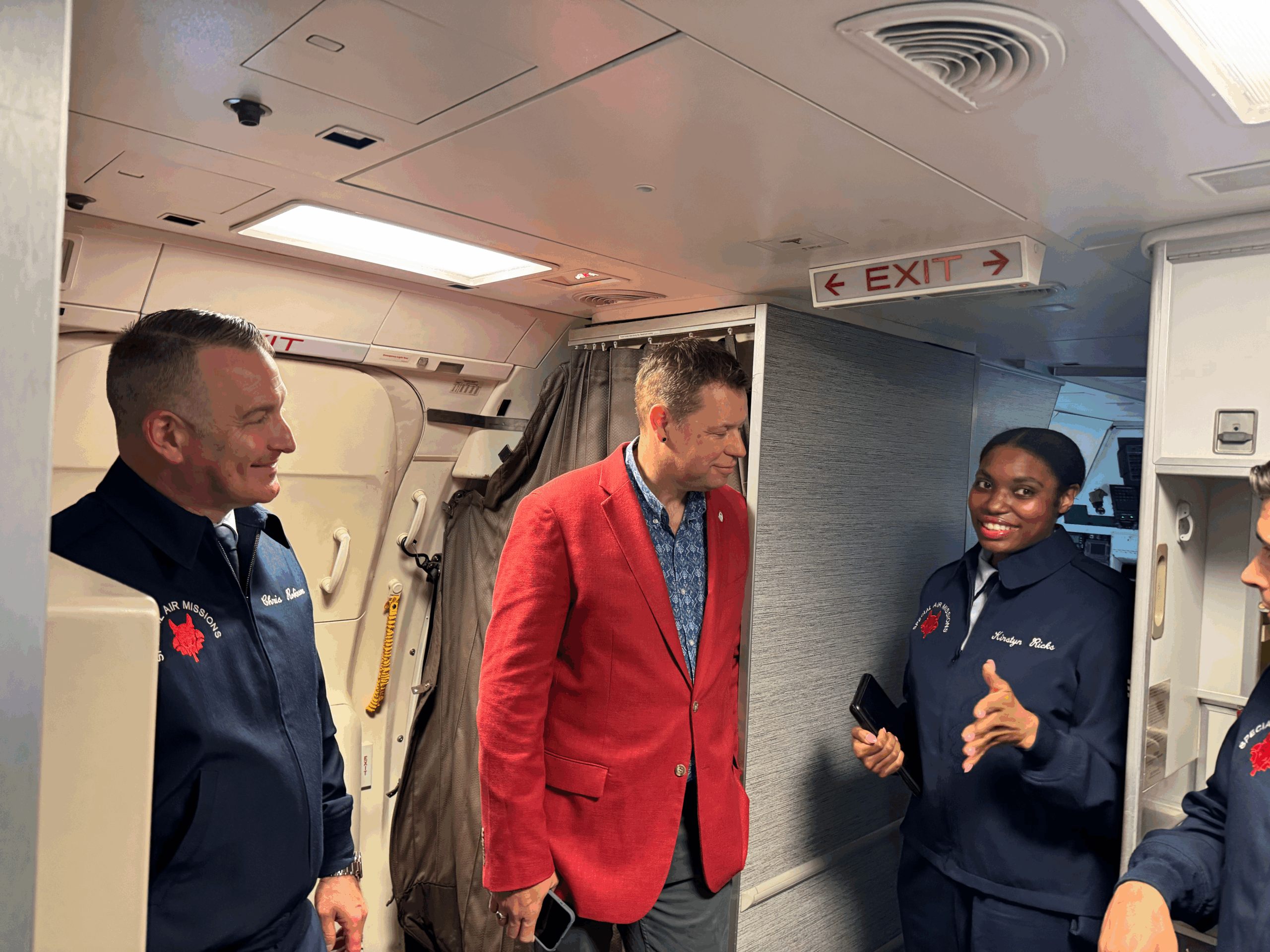
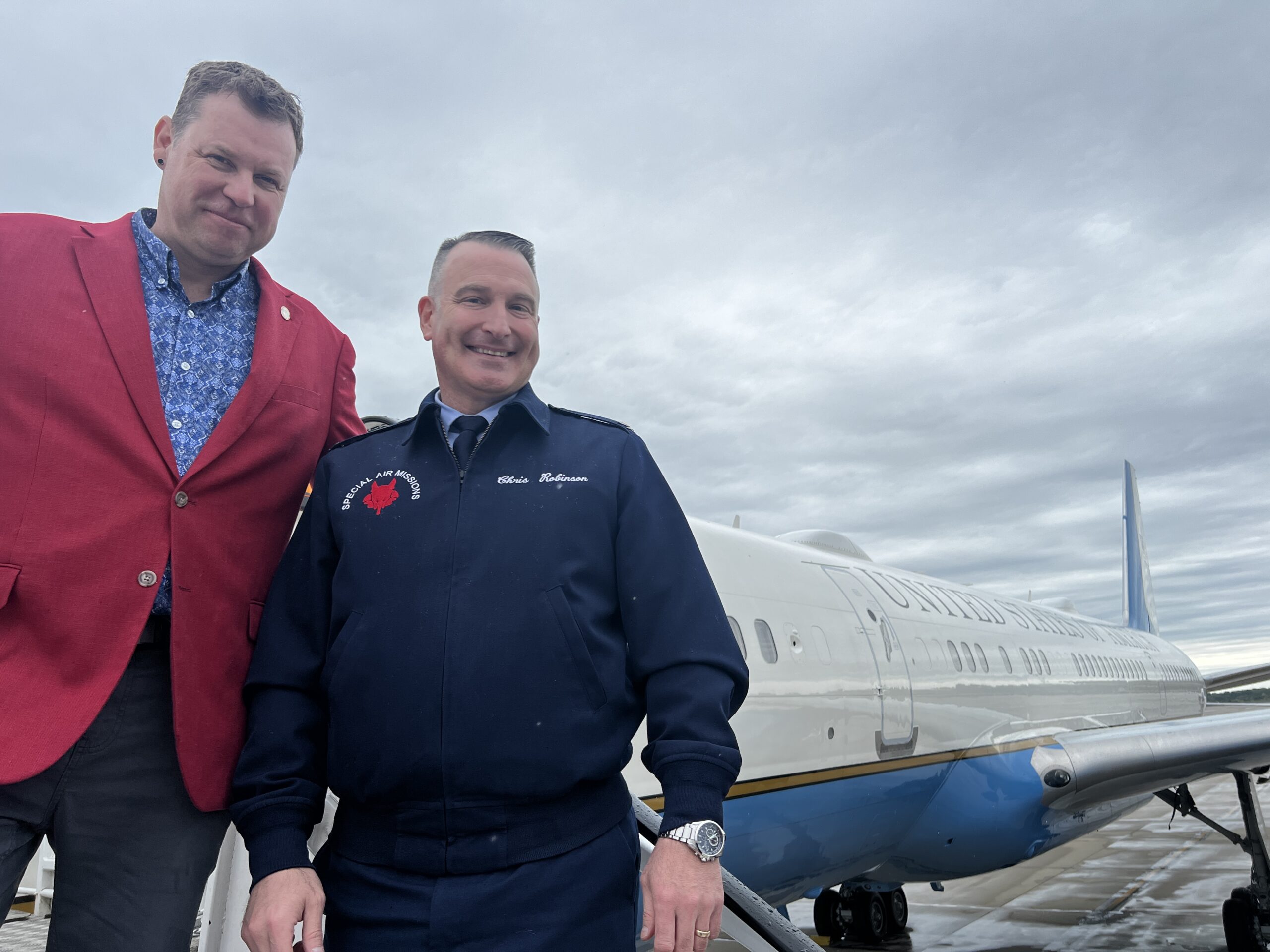
In late April, I had the privilege of visiting the 89th Airlift Wing at Joint Base Andrews, led by my friend, Colonel Chris Robinson. I first came to know Chris during his time as Wing Commander of the 375th Air Mobility Wing at Scott Air Force Base, home of Air Mobility Command (AMC), and I have long admired the caliber of leadership, discipline, and mission-focus he brings to the United States Air Force.
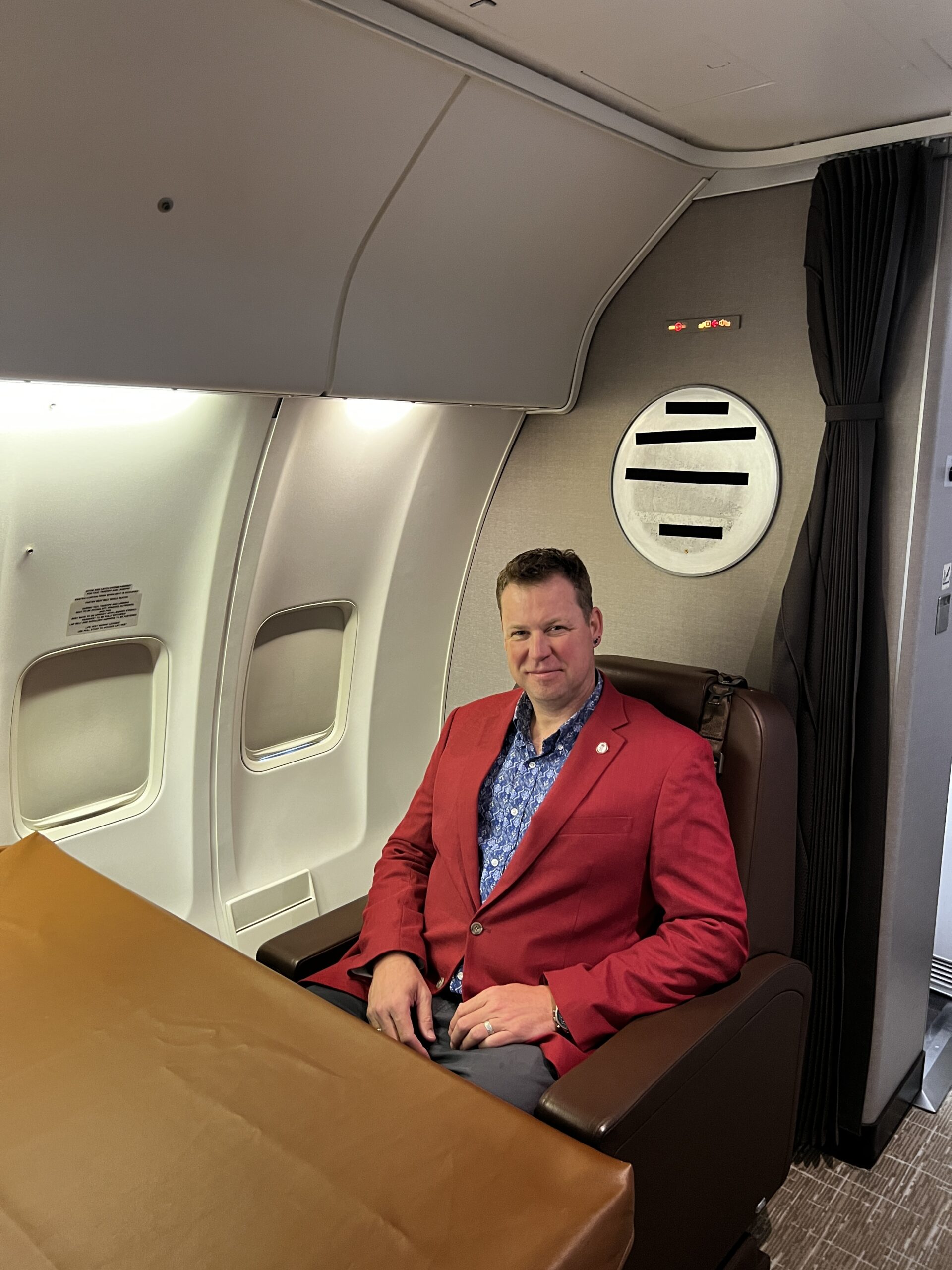
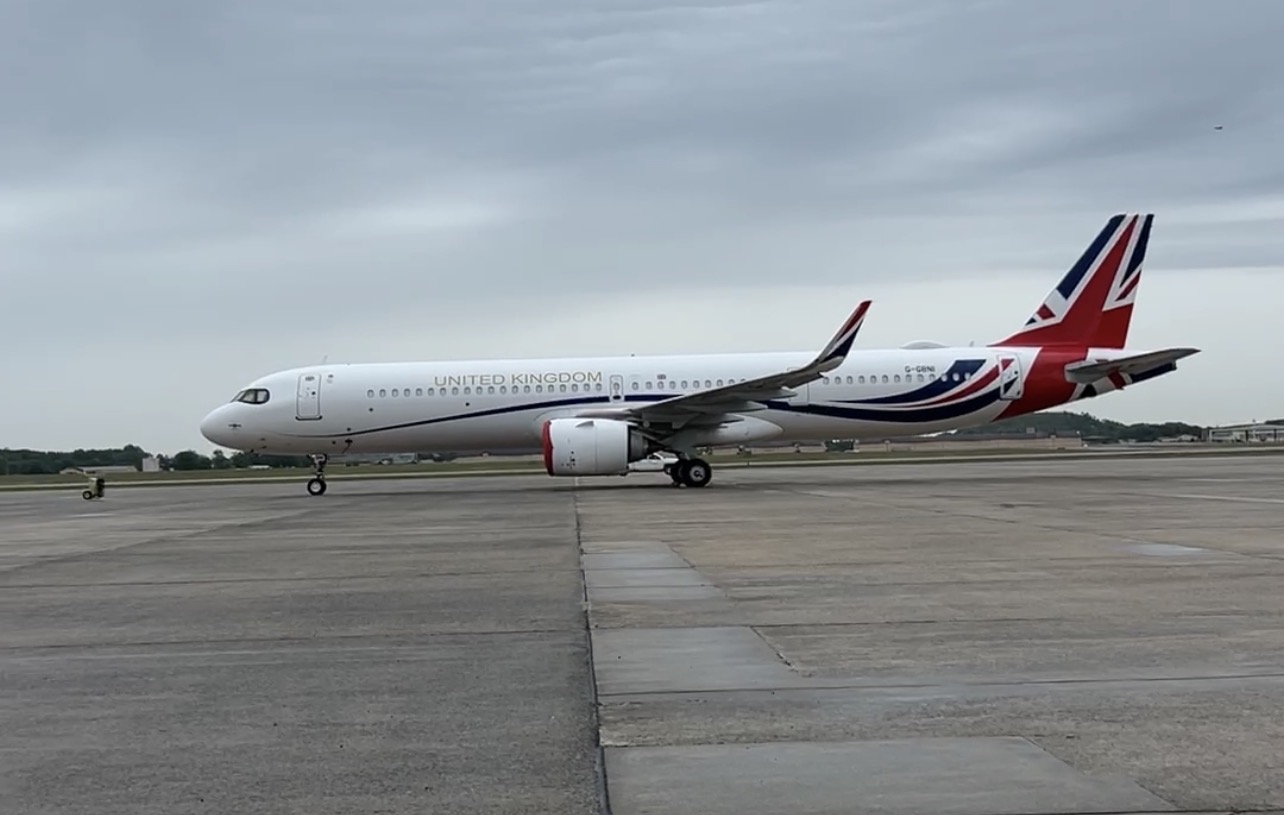
The visit was memorable on many levels. We toured the flight line, visited a C-32 which is comfortable and functional but very austere (and is called Air Force 2 when the Vice President uses it), viewed His Majesty’s aircraft from afar, sat and discussed how Civic Leaders can better support his team and mission, and met some of the remarkable Airmen who carry out one of the most visible — and yet often least understood — missions in American service.
When most people think of AMC, they think first of aircraft moving troops, equipment, humanitarian supplies, or fuel around the world. They think of strategic airlift, aerial refueling, aeromedical evacuation, and the vast logistical power that allows America and its allies to act anywhere on the globe. That is all true. AMC’s mission is rapid global mobility, and its reach is one of the great strategic advantages of the United States. The Eighteenth Air Force, for example, supports AMC’s worldwide mission through airlift, airdrop, aerial refueling, aeromedical evacuation, and global air mobility support.
But at Joint Base Andrews, you see another dimension of that mission.
The 89th Airlift Wing sits at the intersection of military excellence and international diplomacy. Its formal mission includes global Special Air Mission airlift, logistics, aerial port, and communications for the President, Vice President, cabinet members, and senior leaders, supporting continuity of government and continuity of operations. In simpler terms, the 89th ensures that the nation’s senior leaders can move safely, securely, reliably, and with the full communications capability required to lead.
That is a military mission. It is also a diplomatic one. And this Wing has been behind the scenes of most international diplomatic successes and efforts in recent memory.
Every international summit, every state visit, every emergency deployment of national leadership, every foreign leader arriving in Washington, and every carefully choreographed moment of global statecraft depends on people who must get every detail right. The aircraft must be ready. The communications must work. The security must be seamless. The welcome must be professional. The logistics must be invisible. The margin for error is virtually nonexistent.
The 89th Airlift Wing performs that work with extraordinary precision.
It is easy to see the symbolism of the aircraft. Air Force One and Air Force Two are instantly recognizable around the world. The aircraft that carry the Secretary of State, the Secretary of War, cabinet leaders, congressional delegations, combatant commanders, and senior military officials are part of the visible architecture of American power. The VC-25A aircraft, for example, are operated and maintained by the Presidential Airlift Group and assigned to AMC’s 89th Airlift Wing at Joint Base Andrews.
But the deeper story is not the aircraft. It is the people.
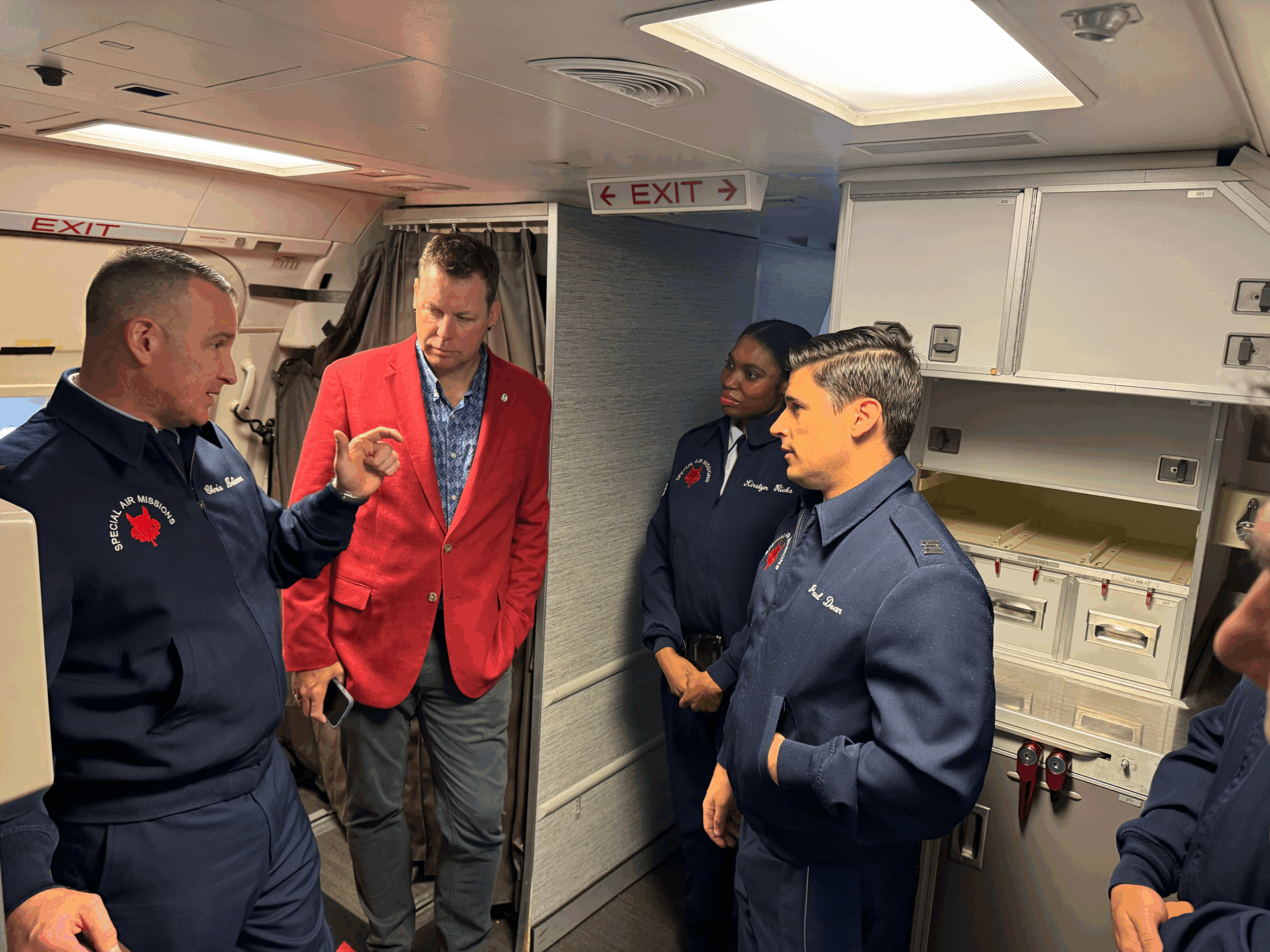
The Airmen of the 89th are often the first American military professionals that foreign leaders encounter when they arrive in Washington. They are the quiet face of American excellence. They represent not only the Air Force, but the country. In those moments, professionalism becomes diplomacy. Discipline becomes reassurance. Courtesy becomes national credibility.
As I am involved on a regular basis in UK/US diplomatic relations, I have spent a great deal of time thinking about the relationship between ceremony and substance. Diplomacy is built on policy, shared interests, and hard decisions, but it is also built on trust, respect, and the confidence that partners can rely on one another. That confidence is reinforced in countless practical ways — including the way a nation moves its leaders and receives the leaders of others.
Standing on the flight line at Andrews, viewing His Majesty’s beautiful aircraft from a distance and seeing the systems around it, I was reminded that the Special Relationship is not just expressed in speeches, treaties, or formal statements. It is also expressed through operational excellence. It is expressed by the men and women who make sure the mission happens, quietly and flawlessly, every time.
My role as an Air Mobility Command Civic Leader has given me a deeper appreciation for this broader mission. Civic Leaders have the privilege of seeing beyond the headlines and behind the scenes. We get to understand not only what AMC does, but why it matters — to national defense, to global stability, to alliance relationships, and to America’s ability to lead.
The 89th Airlift Wing embodies that purpose. It serves presidents and vice presidents, senior civilian and military leaders, and visiting dignitaries. It supports the continuity of government. It enables diplomacy at the highest level. It projects confidence, reliability, and resolve.
In an uncertain world, that matters.
The flight line at Joint Base Andrews is more than a place where aircraft arrive and depart. It is one of the stages on which American leadership meets the world. And behind every arrival, every departure, every handshake, every mission, and every moment of statecraft, there are airmen whose excellence makes it possible.
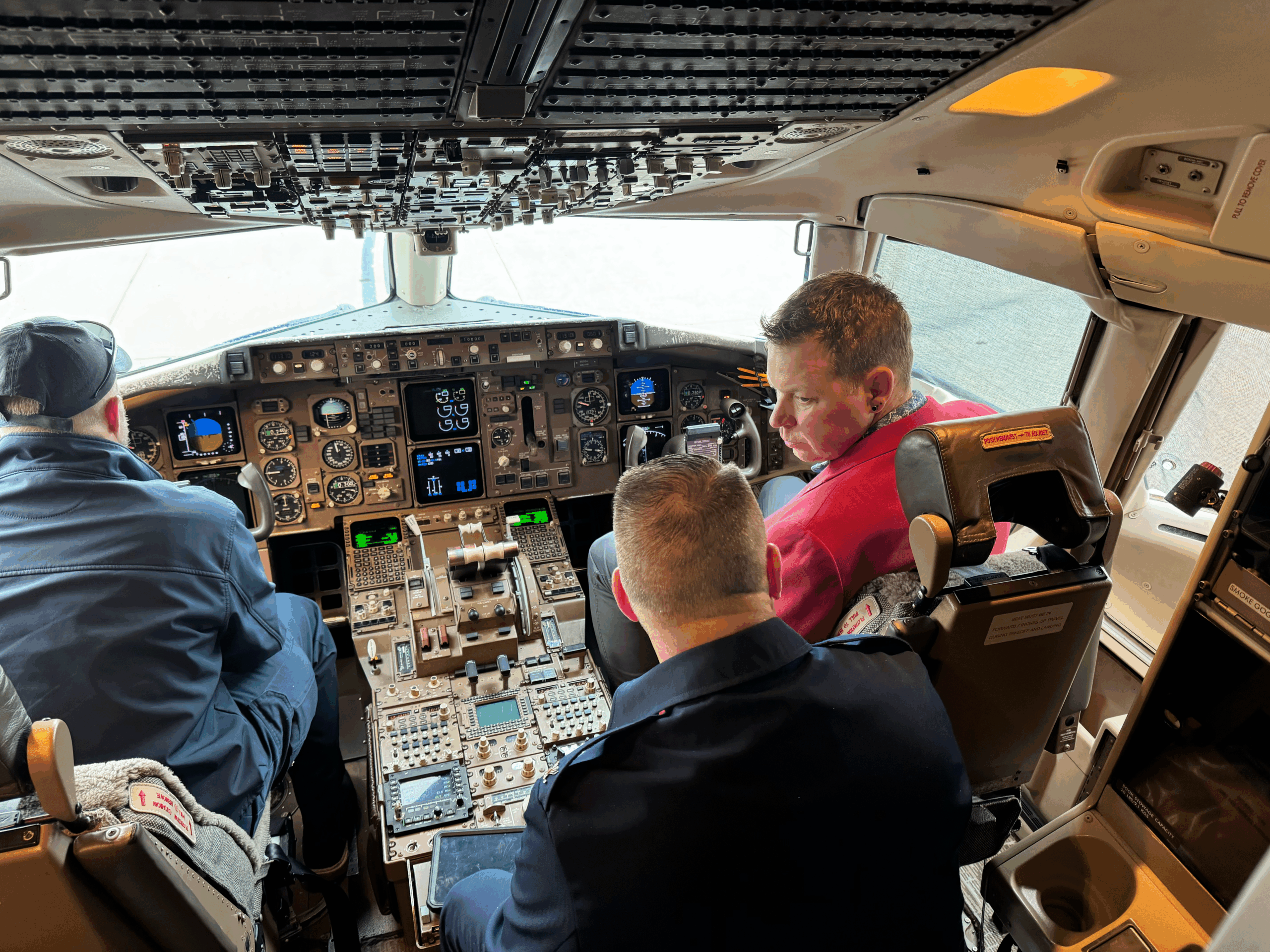
I left Joint Base Andrews impressed and grateful — grateful to Colonel Chris Robinson and his team, grateful to the Airmen of the 89th Airlift Wing, and grateful for the broader mission of Air Mobility Command.
They move people, equipment, and fuel. They sustain military power across the globe. They are quietly delivering America’s global diplomatic presence every day. But they also carry something even more intangible: the credibility of American leadership and the quiet confidence of a nation that understands the importance of showing up — safely, professionally, and ready to lead.
Leave a Reply
You must be logged in to post a comment.