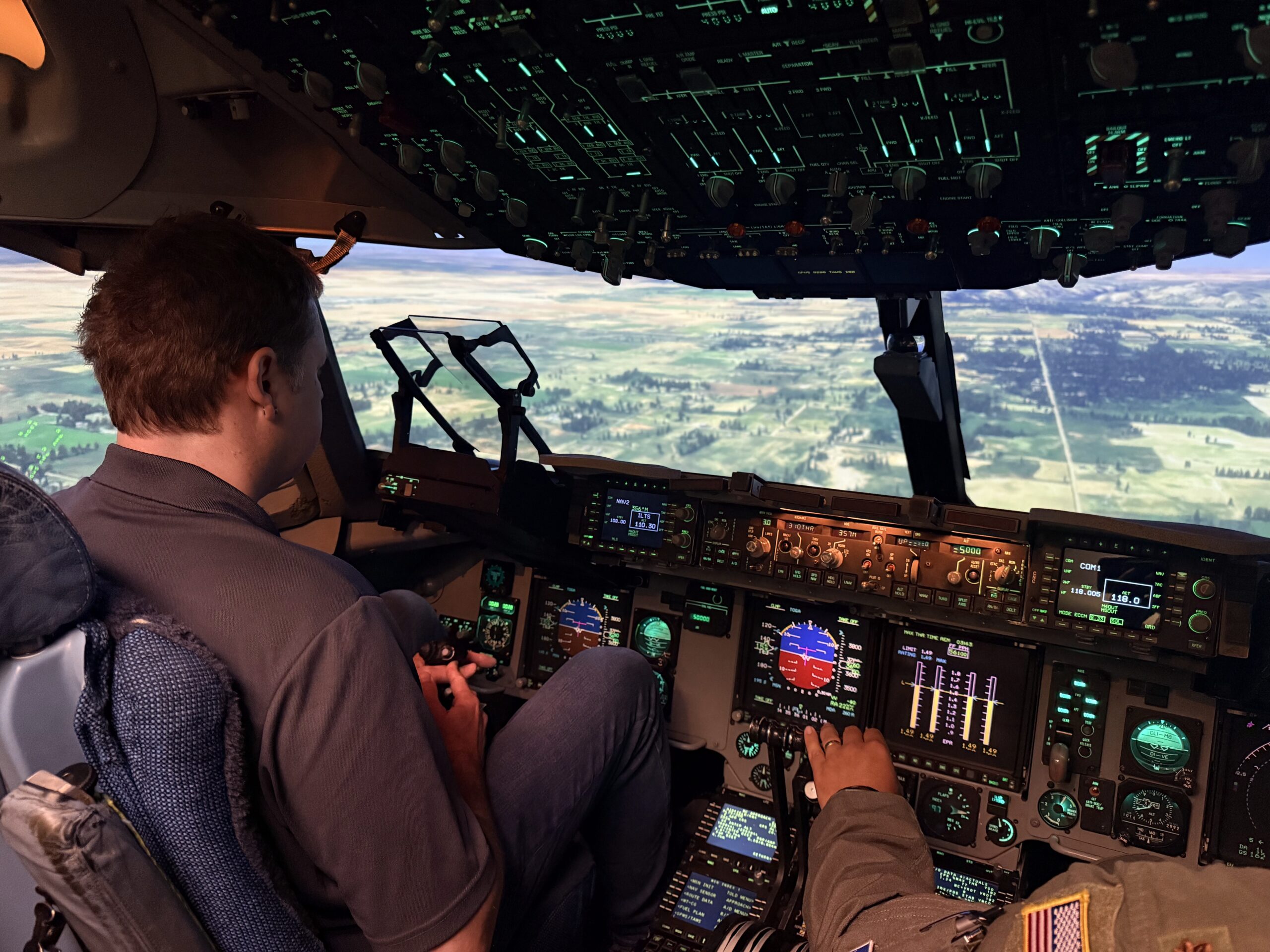
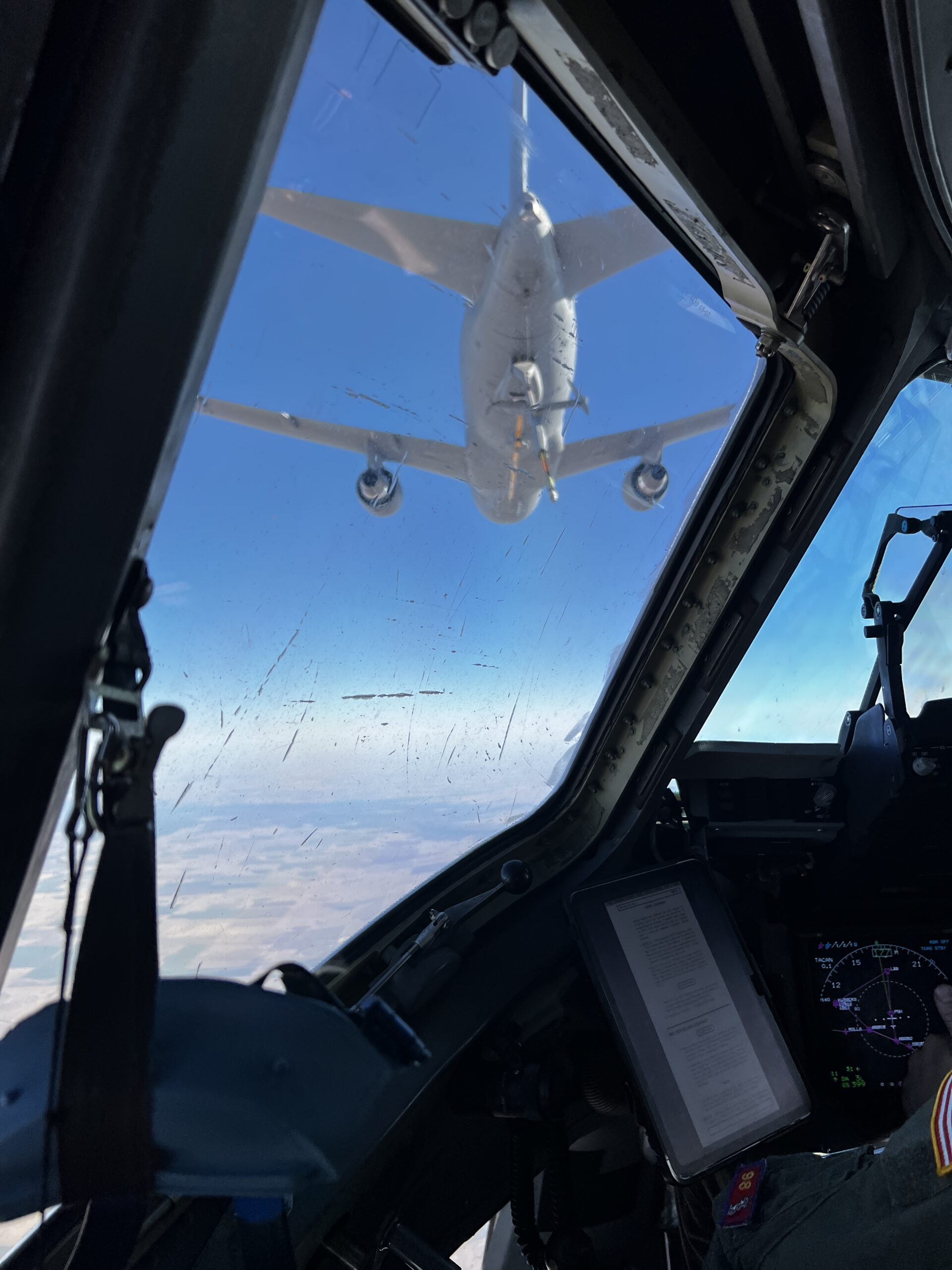
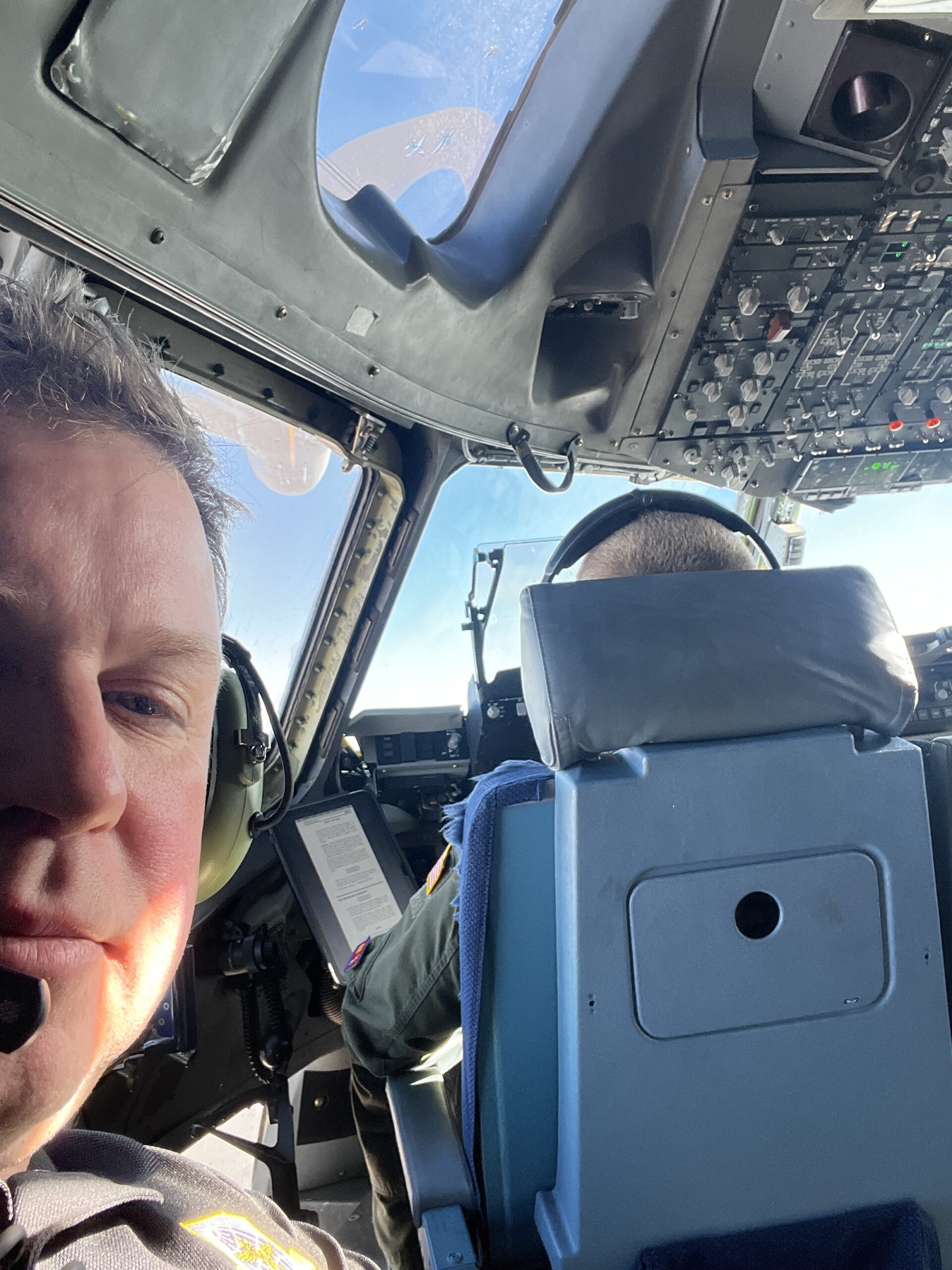
Last week, I spent two days at Altus Air Force Base as part of my role as a Civic Leader with Air Mobility Command. I flew in aboard a C-17 Globemaster from Vance Air Force Base to Altus—an experience that, in itself, underscored the very mission this base exists to support.
I’ve been fortunate to visit a number of bases over the years—but Altus stayed with me in a different way.
At first glance, it is quiet.
Remote.
Almost understated.
And yet, what happens here shapes the outcome of conflicts, humanitarian missions, and global strategy.
If Vance is where pilots begin their journey, Altus is where they become operational—and where America’s ability to project power across the globe is truly built.
You Don’t See the Impact—But You Feel It Everywhere
There’s a phrase they use at Altus:
“Victory begins here.”
After spending time with the men and women on the base, I understand exactly what that means.
Because every mission we read about—every deployment, every humanitarian airlift, every refueling operation halfway across the world—has roots here.
This is where the crews are built.
This is where confidence is forged.
This is where mistakes are made safely—so they are not made in combat.
And that last point matters more than anything.
From Individual Skill to Team Responsibility
What struck me most was the transition that happens at Altus.
At Vance Air Force Base, we saw young pilots learning to fly.
At Altus, I watched those same types of individuals learn something far more complex:
How to operate as part of a crew responsible for a mission.
These aircraft are not flown by individuals.
They are operated by teams:
- Pilots
- Loadmasters
- Boom operators
- Maintenance crews
- Ground support
And the difference between success and failure is not just technical skill.
It is communication.
Trust.
Discipline.
I listened to instructors talk about what they are seeing in newer pilots—exceptional stick-and-rudder skills, but still learning the art of crew resource management.
That resonated with me.
Because in any high-performing organization—military, business, or government—individual excellence is not enough.
It’s the ability to operate as a team under pressure that defines outcomes.
They Are Younger Than You Expect
This is the part that stays with you.
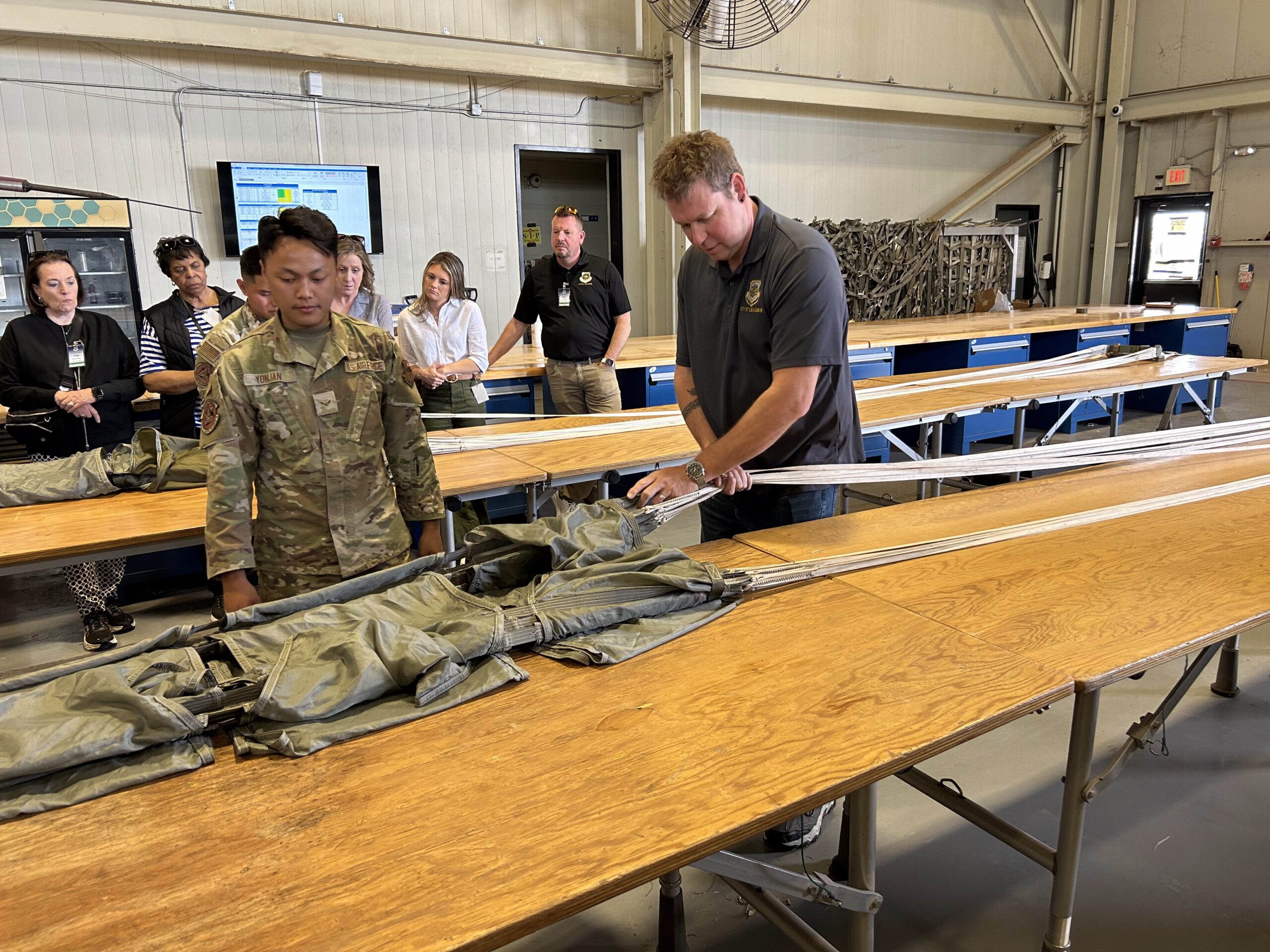
These airmen are young.
Early 20s in many cases.
And yet:
- They are training on aircraft worth hundreds of millions of dollars
- They are preparing for missions that carry global consequences
- They are expected to perform—consistently, precisely, without hesitation
I found myself watching them—not just as a Civic Leader, but as a father.
And I’ll be candid:
It gives you pause.
Because they carry a level of responsibility that most people don’t encounter until much later in life—if ever.
And yet, there is no sense of entitlement. No drama.
Just quiet professionalism.
Focus.
And an unmistakable commitment to getting it right.
A Culture of Excellence—Without Ego
One of the most impressive aspects of Altus is how excellence shows up.
It’s not loud.
It’s not performative.
It’s embedded.
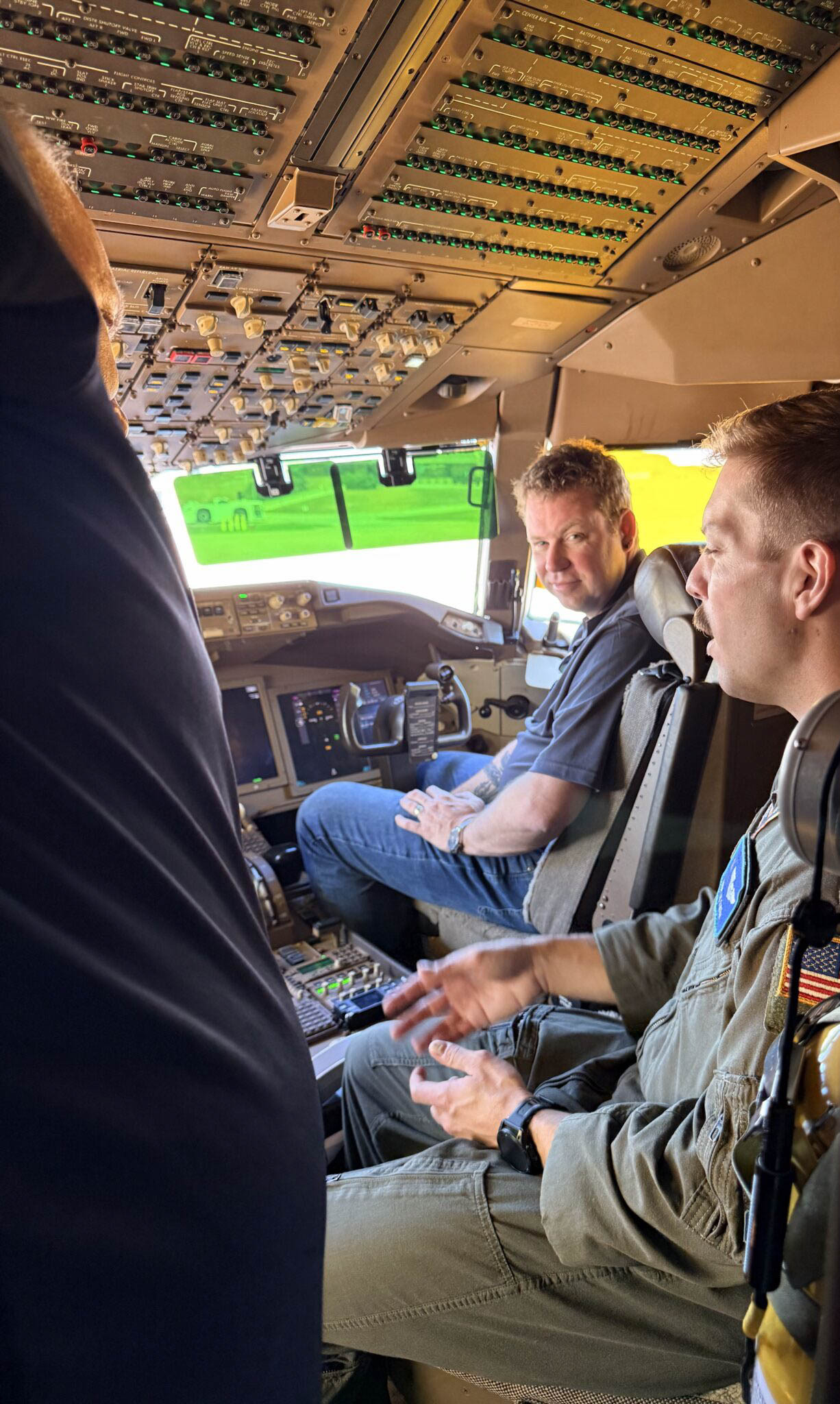
- Maintenance teams delivering 98% aircraft availability over six years
- Training systems managing billions in capability
- Instructors with years of operational experience passing it on
And yet, no one is talking about themselves.
They’re talking about the mission.
That’s a culture.
And it’s one we should pay attention to.
The Hidden Backbone of Global Power
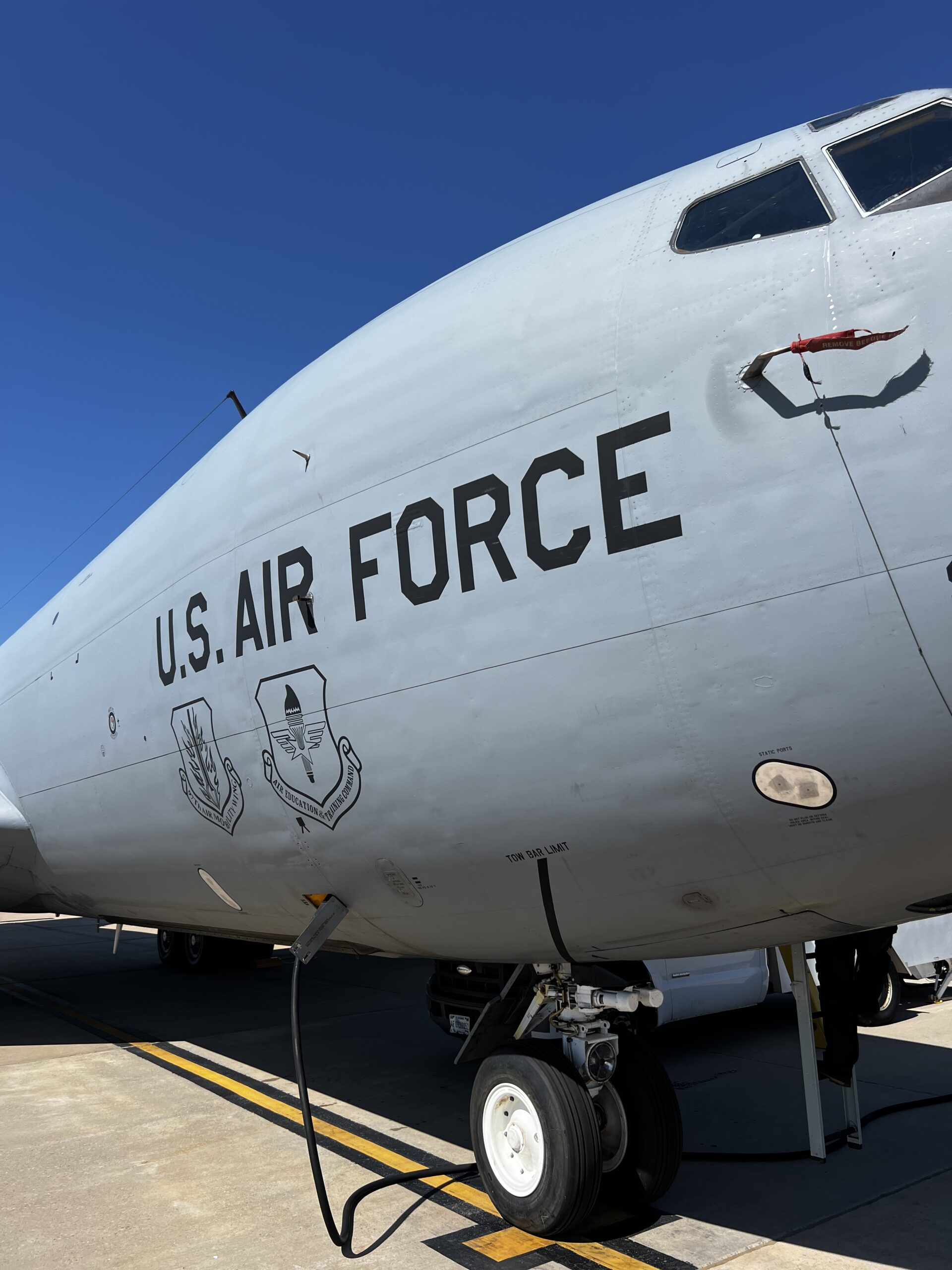
Most people think of airpower in terms of fighters and bombers.
But spending time at Altus reminds you:
Mobility is what makes everything else possible.
- Troops don’t deploy without airlift
- Fighters don’t reach targets without refueling
- Humanitarian aid doesn’t arrive without logistics
Altus trains the crews who:
- Deliver aid after disasters
- Move forces into position
- Sustain operations across continents
And they do it alongside 23 partner nations
That matters.
Because modern conflict—and modern security—is not unilateral.
It’s allied.
And interoperability starts here.
A Base and a Town—Completely Intertwined
One of the things I always look for on these visits is the relationship between the base and the surrounding community.
At Altus, it’s not a relationship.
It’s a partnership.
The base makes up roughly 20% of the local population
That means:
- Families live in town
- Kids go to local schools
- Infrastructure is shared
- Challenges are shared
And what I saw was a community that understands its role:
Supporting the mission by supporting the people.
That’s not something you can mandate.
It has to be built.
And Altus has built it.
Taking Care of the Human Weapon System
Another element that impressed me was the focus on the individual—not just as an operator, but as a human being.
Programs like Comprehensive Readiness for Aircrew Flying Training (CRAFT) are designed to optimize:
- Physical performance
- Cognitive resilience
- Recovery
- Nutrition
Because the reality is simple:
You cannot have elite performance without taking care of the person behind it.
This isn’t just about fitness tests.
It’s about:
- Reducing injury
- Improving decision-making under stress
- Sustaining long-term operational readiness
And that is forward-thinking leadership.
Final Reflection: Quiet Places, Strategic Consequences
As I left Altus, I kept coming back to the same thought:
This is one of those places most people will never visit.
And yet, its impact is felt everywhere.
It’s not Washington.
It’s not a major city.
It doesn’t make headlines.
But it is essential.
Because this is where:
- Capability is built
- Standards are enforced
- And the next generation of airpower is shaped
Closing Thought
Spending time at Altus reinforced something I’ve come to believe more and more:
Strength isn’t built in moments of crisis. It’s built in places like this—day after day, repetition after repetition, standard after standard.
And behind it all are young men and women who have chosen to carry that responsibility.
The least we can do is recognize it.
And support them when we have the opportunity.