When Americans think about military power, they often picture distant oceans, aircraft carriers cutting through the Pacific, or fighter jets screaming off coastal runways.
But some of the most important missions protecting the United States begin far from the coasts — in the calm fields, quiet towns, and open skies of the American Midwest.
Here, far from the noise of politics and the glare of headlines, extraordinary work is done every day by extraordinary people.
Within just a few hundred miles of one another stand two of the most strategically important commands in the United States military.
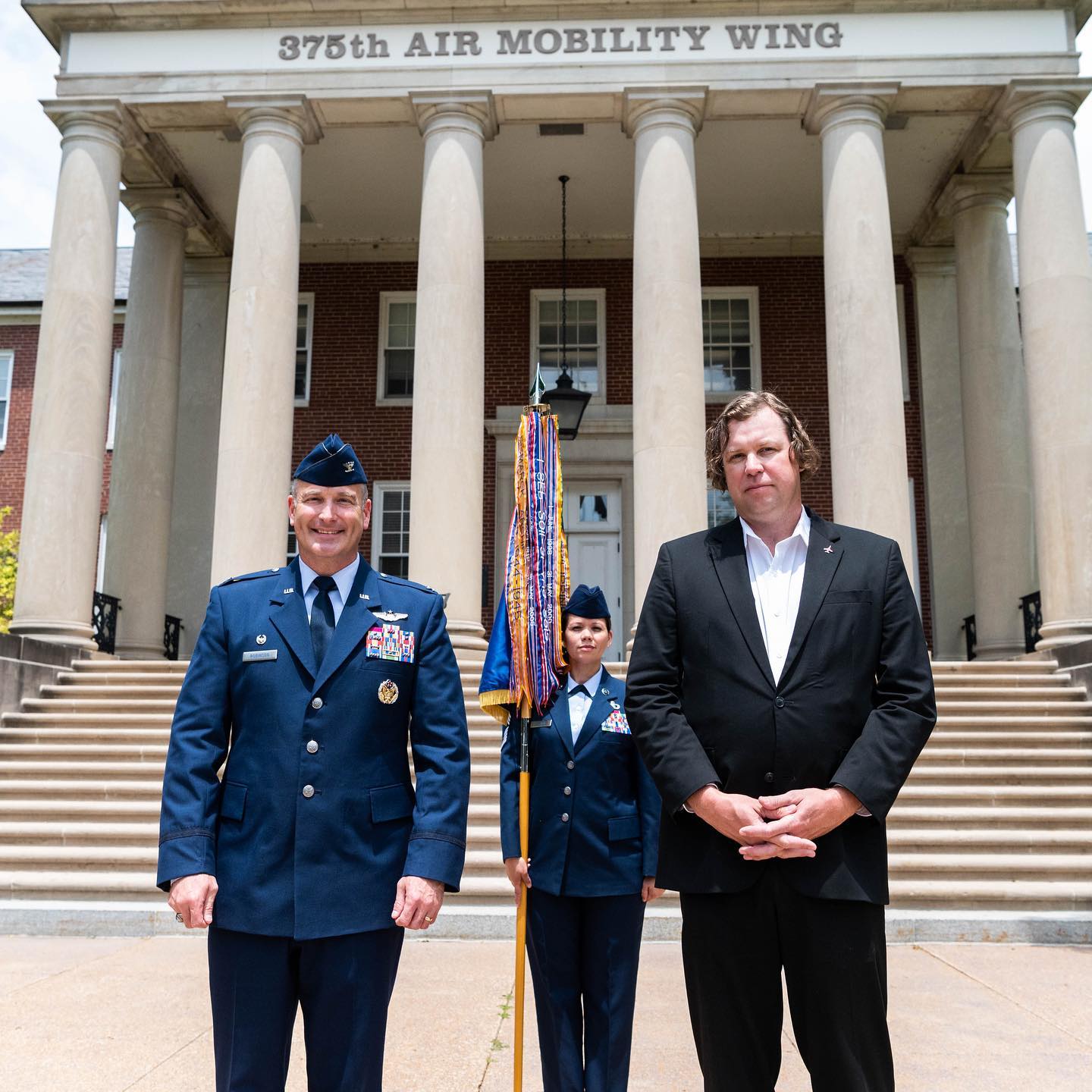
At Scott Air Force Base in Illinois, the men and women of U.S. Transportation Command and Air Mobility Command orchestrate the global movement of American power.
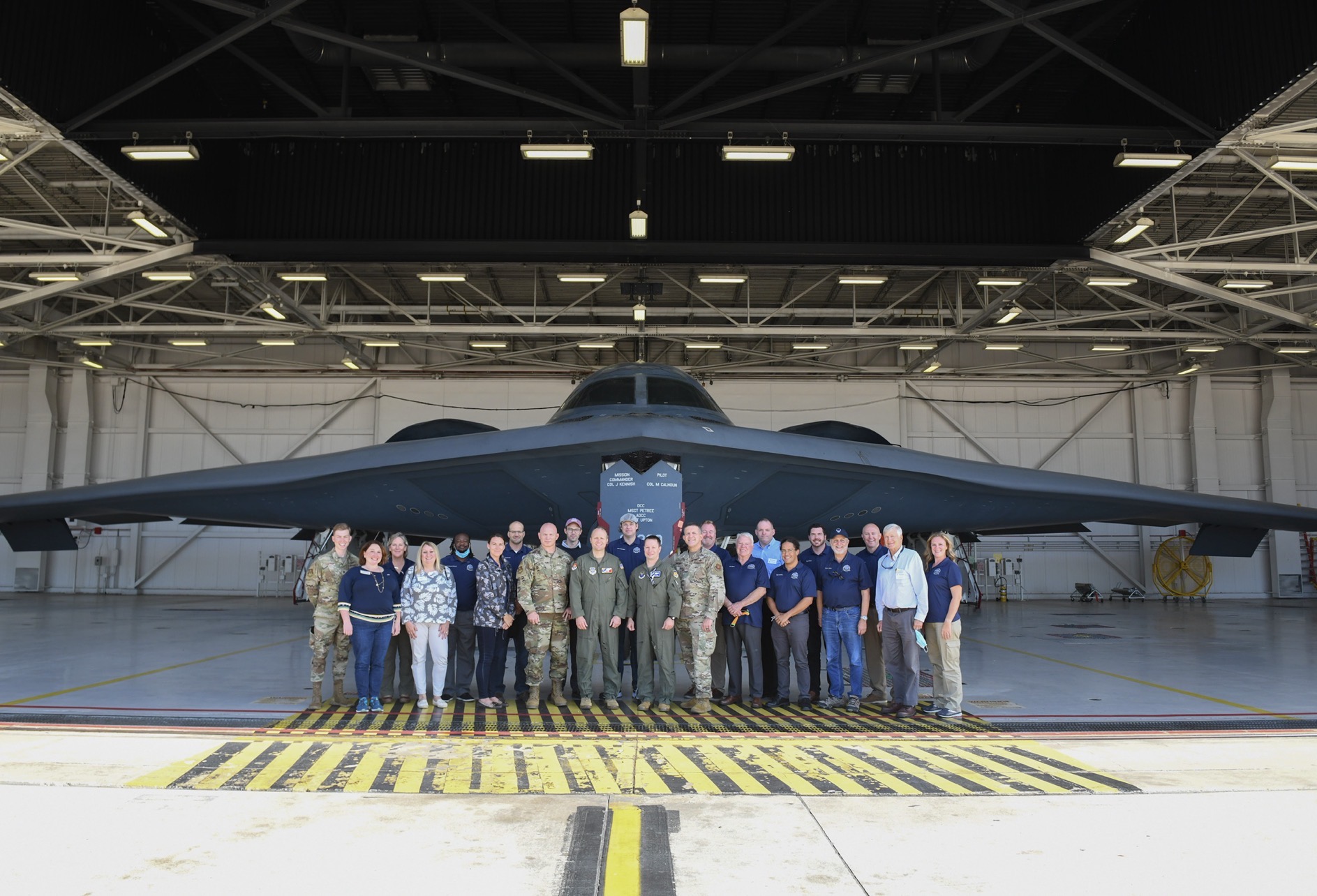
And at Whiteman Air Force Base in Missouri, pilots climb into the cockpit of the B-2 Spirit — the most advanced stealth bomber ever built — knowing that from the quiet runways of the Midwest they may be called upon to fly halfway around the world.
The Midwest is not merely the geographic heart of America.
It is one of the strategic hearts of American power.
The Engine Behind American Power
Just across the Mississippi River from St. Louis, Missouri, sits Scott Air Force Base, home to U.S. Transportation Command and Air Mobility Command.
From this installation in southern Illinois, planners and operators coordinate the movement of the American military across the globe.
Troops deploying to distant theaters.
Cargo aircraft delivering equipment and munitions.
Tankers refueling fighters and bombers in the skies above distant oceans.
Aeromedical evacuation aircraft bringing wounded service members safely home.
Hundreds of missions move through this system every day — thousands of personnel and billions of dollars in equipment moving across continents and oceans.
Without this logistics network, the United States could not respond to crises, support allies, deliver humanitarian relief, or sustain military operations around the world.
It is work of staggering complexity.
And it is done quietly.
Logistics Wins Wars
In moments of global tension, the world often focuses on the strike itself — the missile launch, the bomber mission, the moment of combat.
What is rarely seen is the immense logistical effort that makes those missions possible.
From Scott Air Force Base, Transportation Command and Air Mobility Command coordinate the movement of troops, equipment, fuel, and supplies across the globe.
In recent operations responding to Iranian threats, TRANSCOM moved thousands of personnel and vast quantities of equipment into the Middle East, while Air Mobility Command coordinated the refueling of hundreds of aircraft supporting the mission.
Cargo aircraft such as the C-17 Globemaster and C-130 Hercules transported troops and munitions.
And in the planning rooms at Scott, Airmen map the routes that would allow B-2 stealth bombers from Whiteman Air Force Base to reach their targets and return safely.
Those missions can last thirty-two to thirty-seven hours, flying halfway around the world and back again.
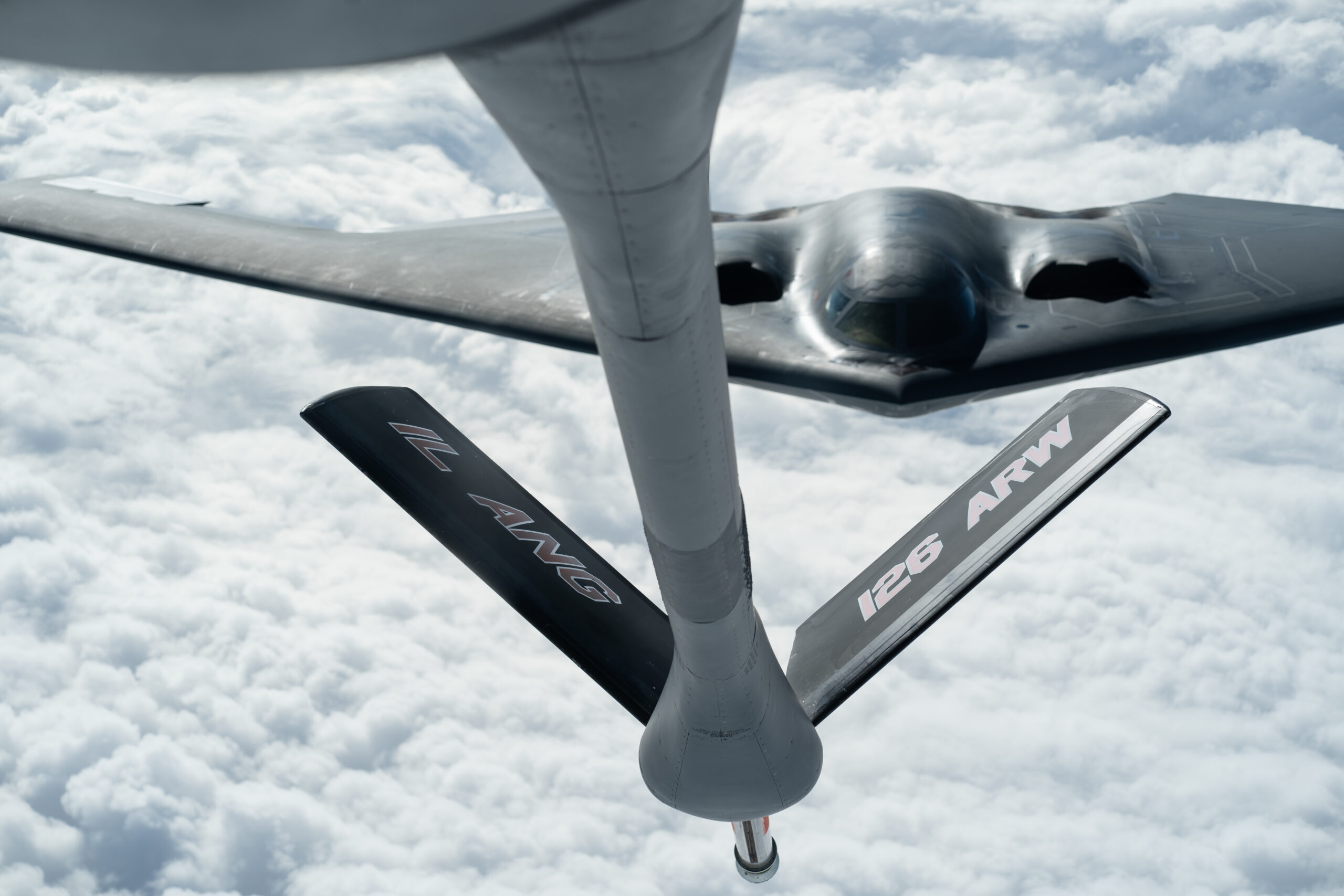
They cannot happen without aerial refueling.
Multiple tanker aircraft must meet the bombers at precisely the right time and place — sometimes several times along the route — extending their range across oceans and continents.
It is a ballet of precision in the dark skies above the world.
As former TRANSCOM commander General Jacqueline Van Ovost once put it:
“Logistics wins wars.”
The Silent Sword
A few hours west of Scott, another extraordinary mission unfolds at Whiteman Air Force Base in Missouri.
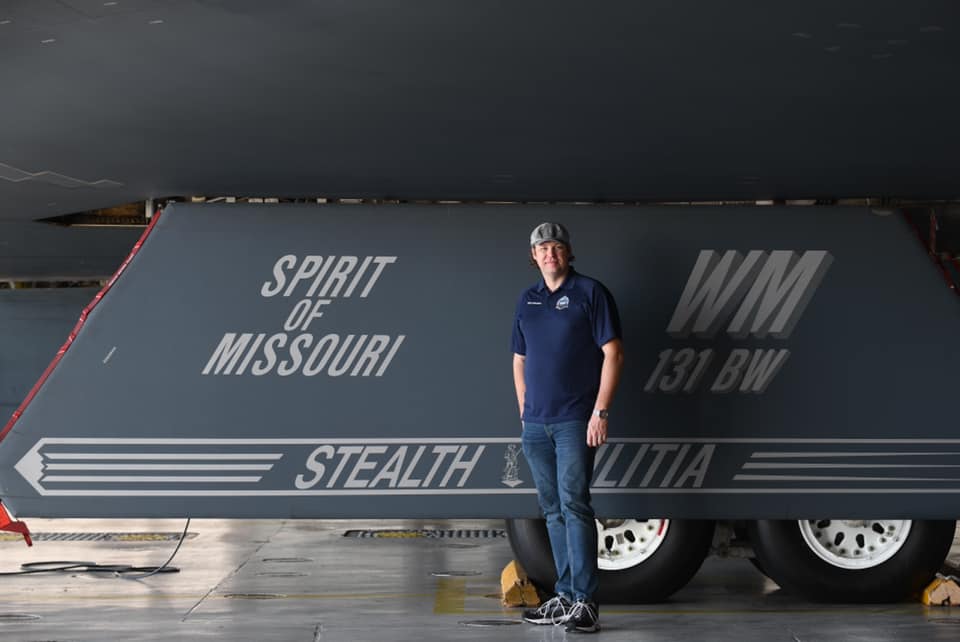
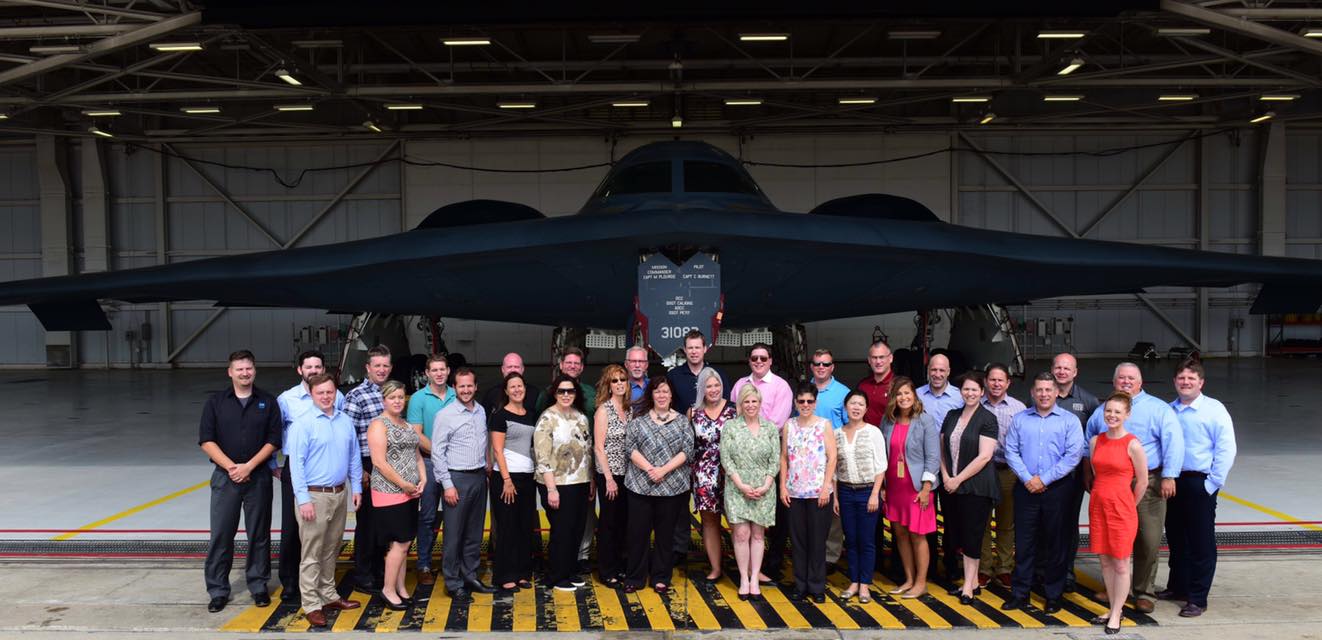
Here the 509th Bomb Wing operates the B-2 Spirit, one of the most formidable aircraft ever built.
With its flying-wing design and stealth capabilities, the B-2 can penetrate the most sophisticated air defenses on earth.
From the runways of Missouri, its pilots can reach targets anywhere in the world.
Some missions have lasted more than forty hours without landing, flying directly from the American heartland into combat zones and back again.
Such operations demand extraordinary endurance and trust — between bomber crews, tanker crews, and the planners coordinating the mission from thousands of miles away.
The aircraft may be a marvel of engineering.
But it is the skill and discipline of the Airmen who fly and maintain it that truly define the mission.
A Personal Privilege
Over the years, I have had the privilege of seeing this mission up close.
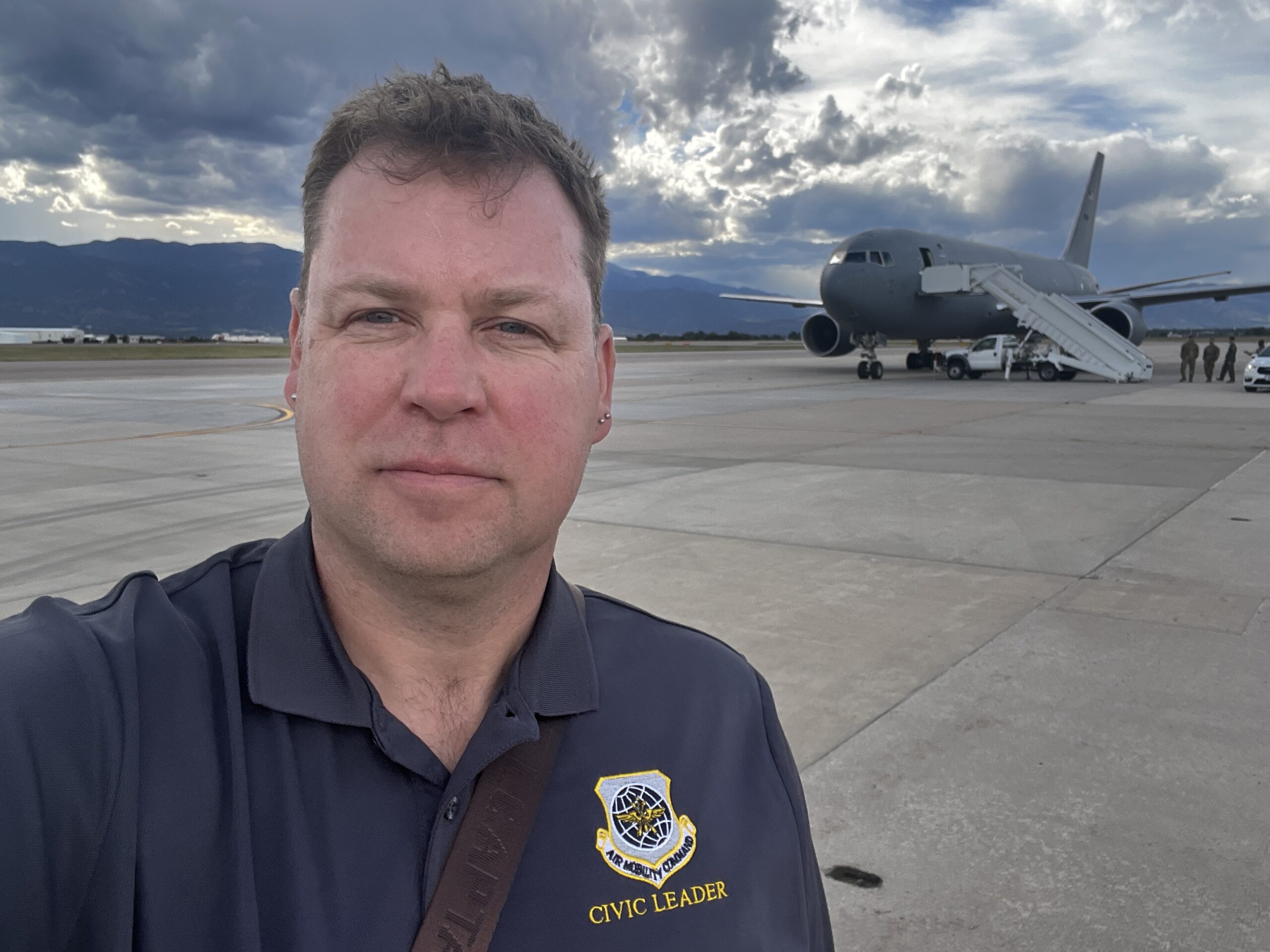
Through my work as a civic leader supporting Air Mobility Command, and during my time serving as Honorary Wing Commander at Scott Air Force Base, I was able to witness firsthand the professionalism and dedication of these remarkable Airmen.
I have watched planners quietly coordinate global operations.
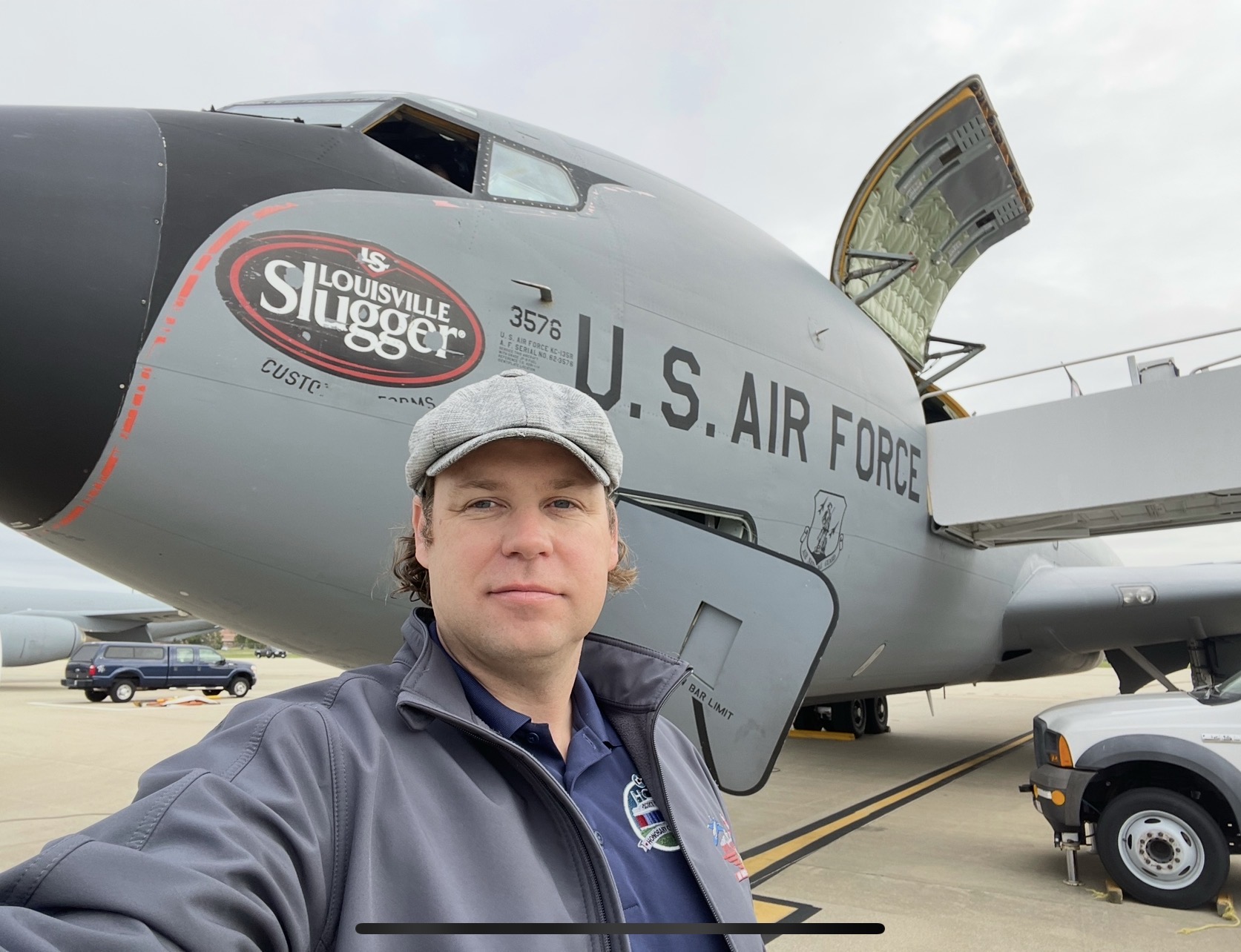
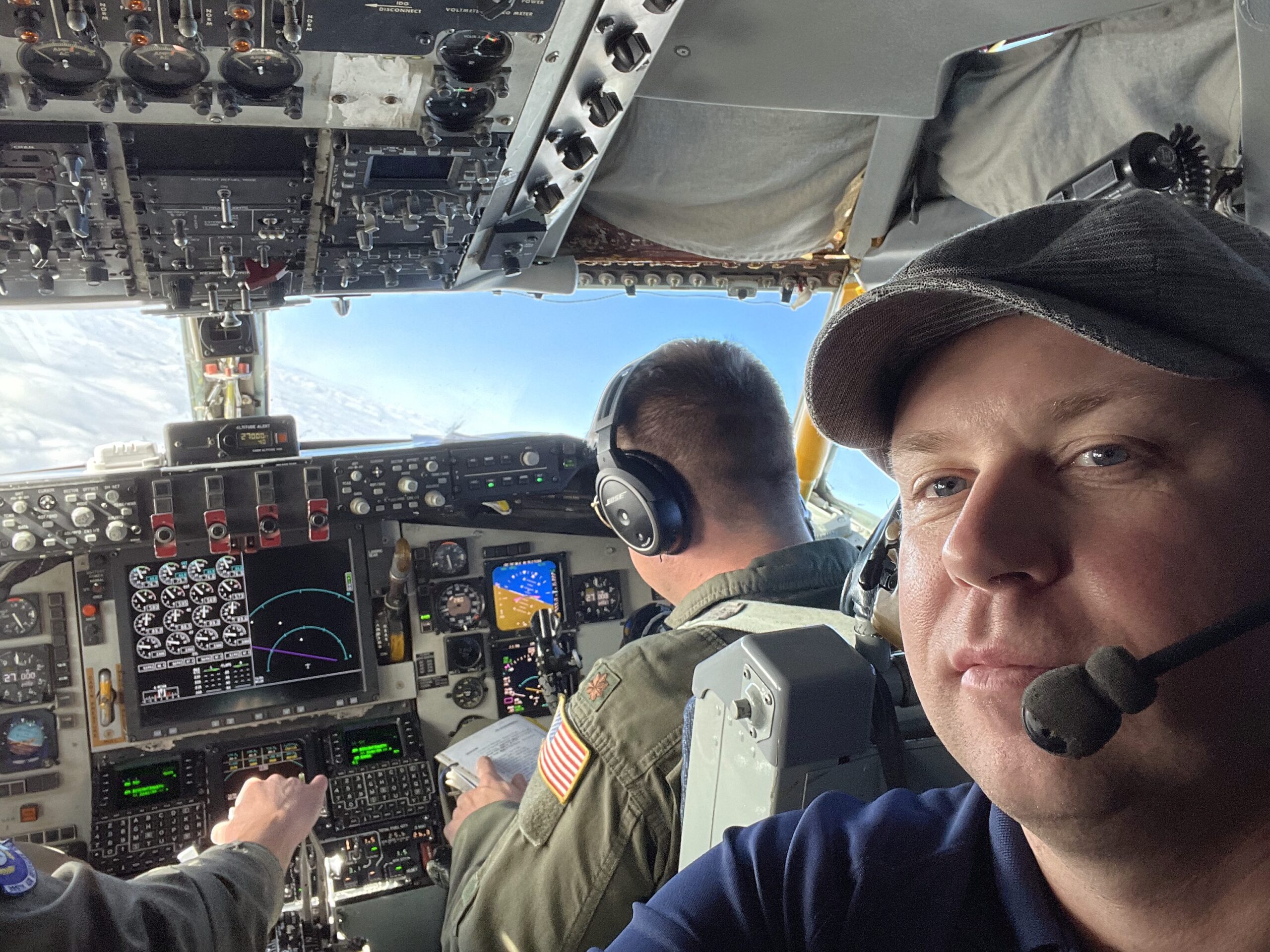
I have sat with tanker crews preparing to launch into the night sky.
And I have had the privilege of flying with them as they conducted aerial refueling missions supporting B-2 operations.
It is one thing to read about these missions.
It is quite another to watch massive aircraft meet with precision in the dark skies above the American heartland — knowing that from that moment forward a bomber launched from Missouri can continue its mission halfway around the world.
Moments like that leave a lasting impression.
They remind you that behind every aircraft and every mission are dedicated men and women whose quiet professionalism makes it all possible.
Meeting the Heroes of the Skies
For most Americans, these missions happen far from view.
But every so often the public has the opportunity to meet the people behind them.
At the Spirit of St. Louis Air Show and STEM Expo in June 2026, visitors can meet the pilots, maintainers, and crews who carry out these missions every day.
You can speak with the Airmen who fly these aircraft, who maintain them through long nights on the flight line, and who prepare for missions that may take them halfway around the world.
They are humble.
They are approachable.
And they are deeply committed to their mission.
Because the true strength of American airpower is not found in aircraft alone.
It is found in the people.
Final Closing
And so, in the quiet hours before dawn, while most of the nation sleeps, Airmen across the Midwest are already at work.
They are planning missions.
Fueling aircraft.
Preparing flight lines.
Climbing into cockpits and turning toward distant horizons.
From the heartland they carry the reach of American power across oceans and continents — delivering aid to the suffering, support to our allies, and deterrence to those who would threaten peace.
They do not seek recognition.
But they deserve our respect, our gratitude, and our admiration.
For in the skies above the Midwest fly some of the finest professionals our nation has ever produced — men and women whose skill and quiet dedication ensure that when America must act, it can act anywhere on earth.
And because they stand watch above the American heartland, the rest of us sleep a little more securely beneath them.