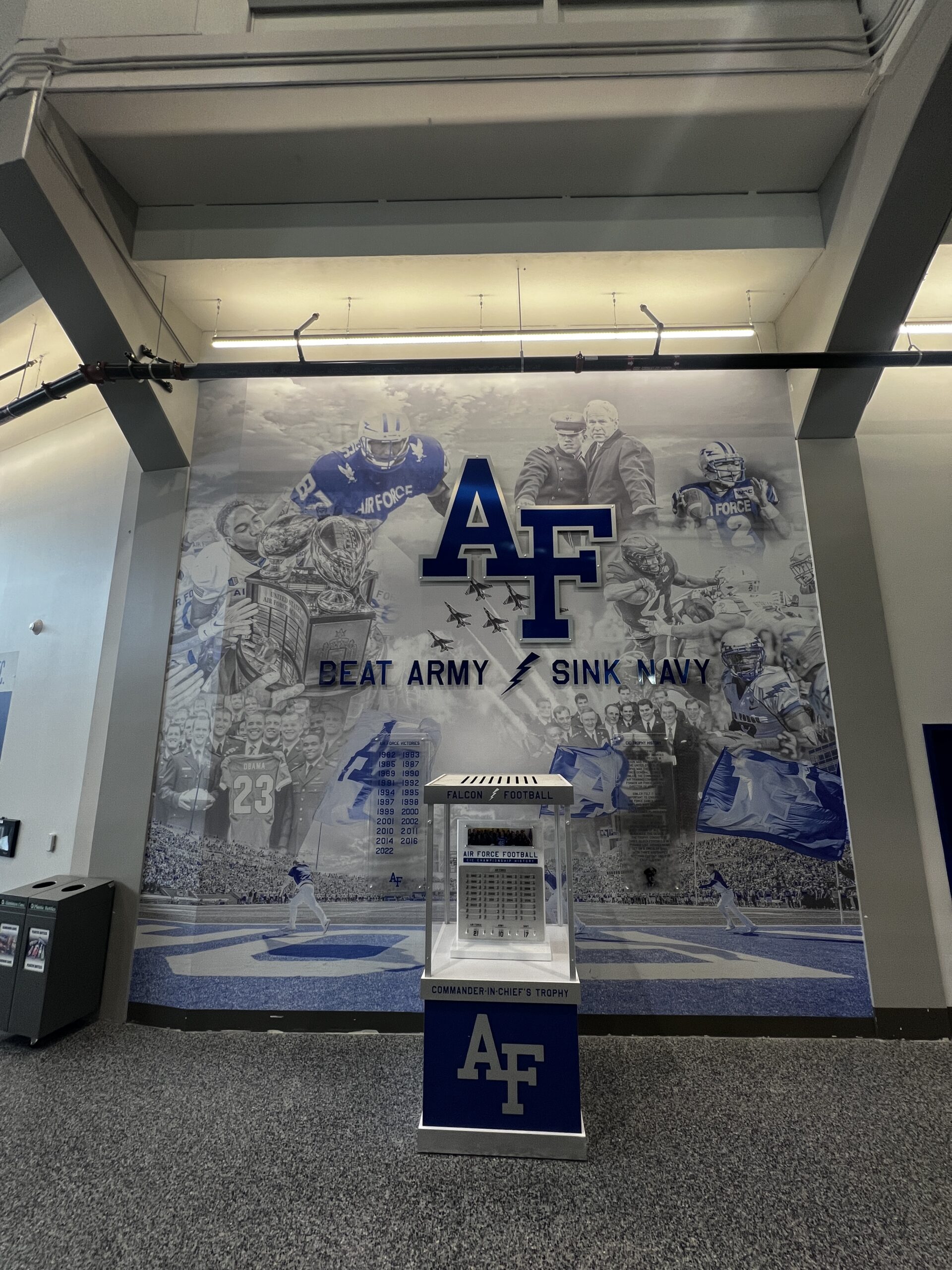
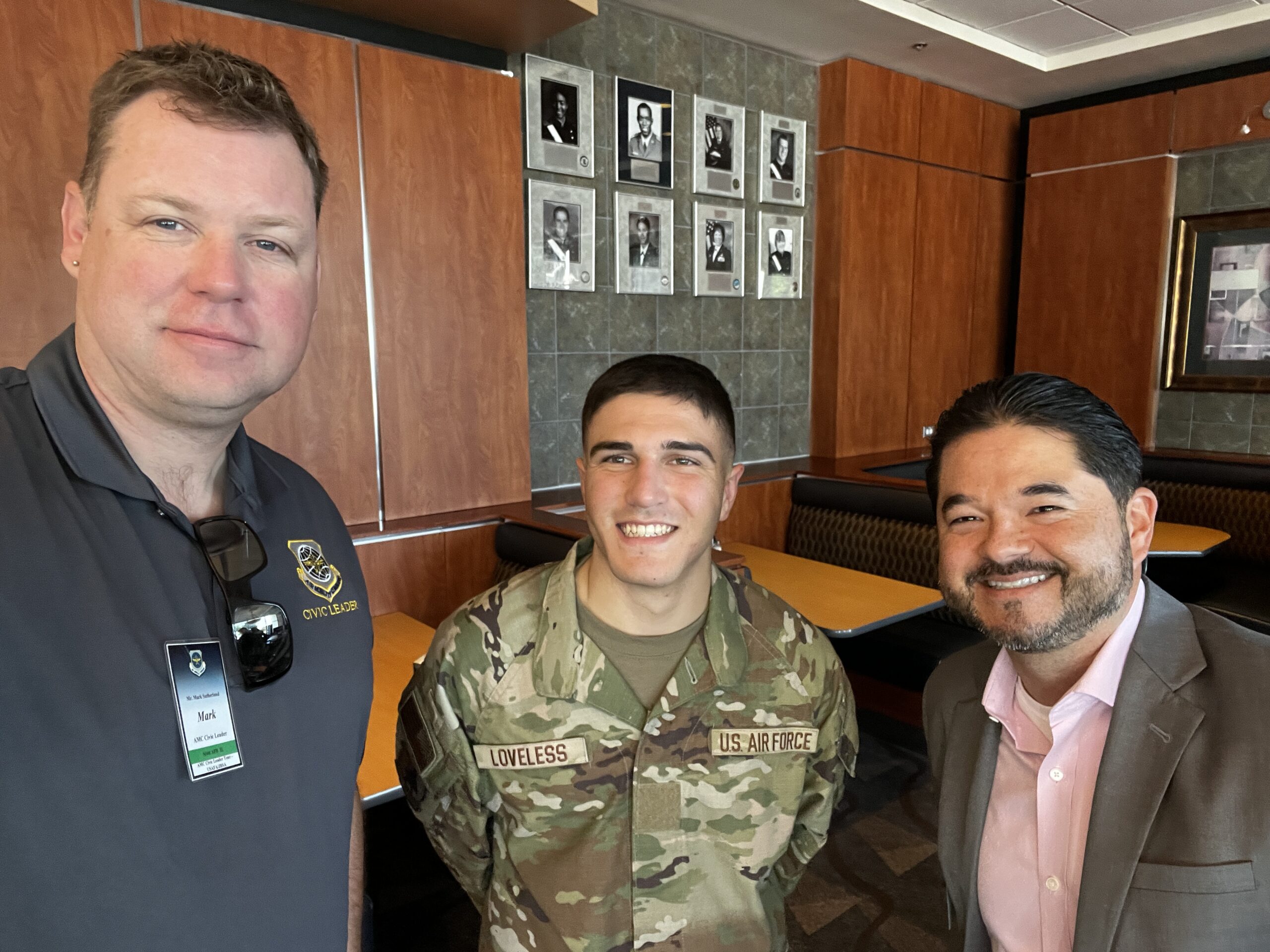
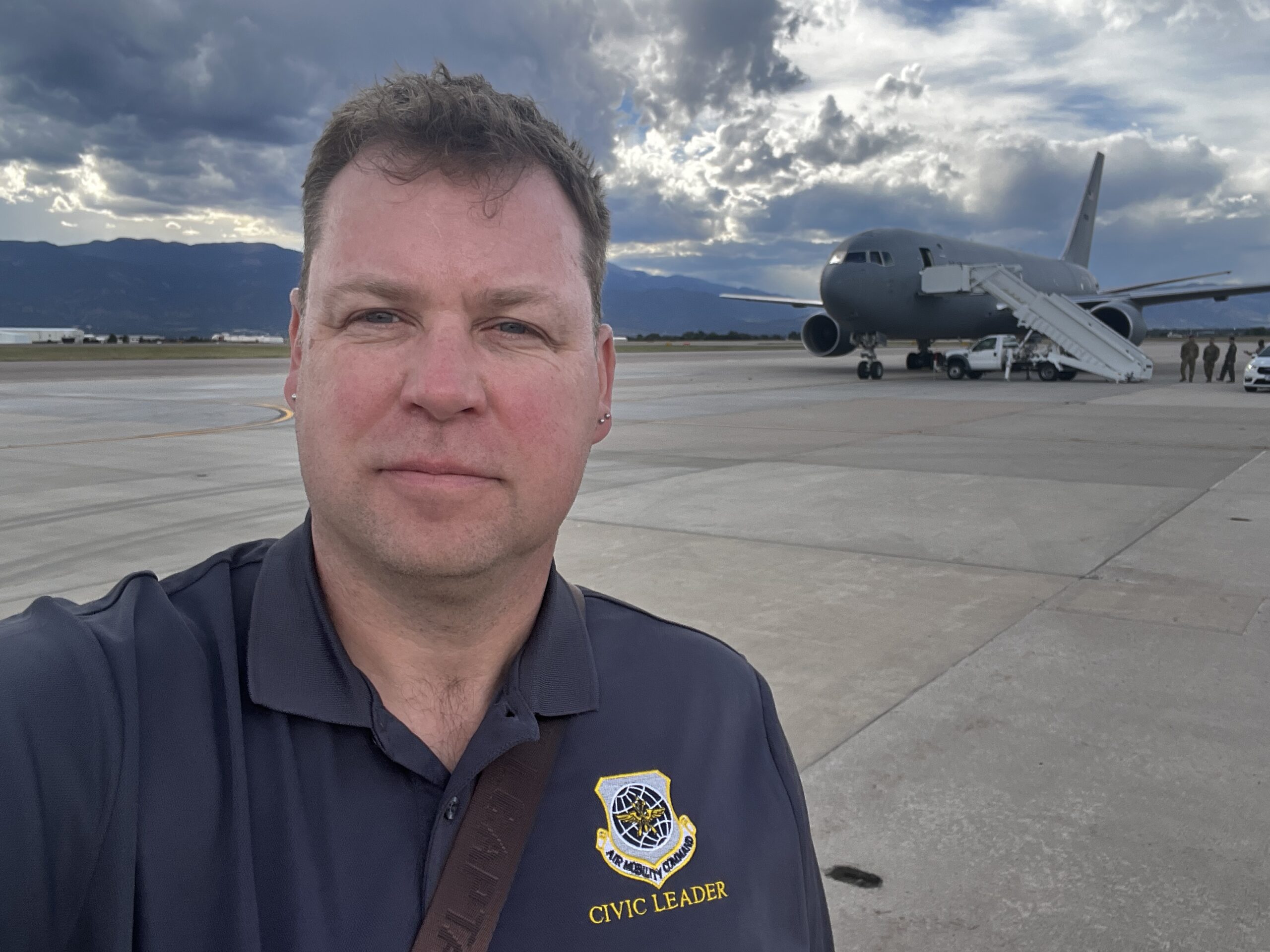
As an Air Mobility Command Civic Leader representing Scott Air Force Base, I had the privilege of visiting the United States Air Force Academy in Colorado Springs. Scott AFB, located just east of St. Louis, is the home of U.S. Transportation Command (USTRANSCOM), Air Mobility Command (AMC), and the 375th Air Mobility Wing. It is the beating heart of global mobility operations—coordinating the rapid movement of personnel, cargo, and resources around the world, and ensuring that America’s military remains agile and ready. Representing Scott AFB in this role is an honor, and visiting the Academy offered a powerful perspective on how the next generation of leaders will sustain and expand that legacy.
From the moment we arrived at the Academy, it was clear that its mission—to educate, train, and inspire men and women to become officers of character, motivated to lead the United States Air and Space Forces in service to our nation—was not only being taught, but lived every single day.
Preparation and Discipline at the Prep School
Our visit began at the Air Force Academy Preparatory School. The schedule there is demanding: days start at 6:15 a.m. and continue until 10 p.m. with mandatory breakfast and lunch, followed by a relentless cycle of classes, study, and three hours of physical training each afternoon. In this one-year program, cadets compete for the opportunity to enter the Academy itself. What stood out most was the culture of mutual support—roommates and classmates carry each other through the rigor, embodying the teamwork and resilience that will serve them as future officers.
Physical Demands and Competitive Spirit
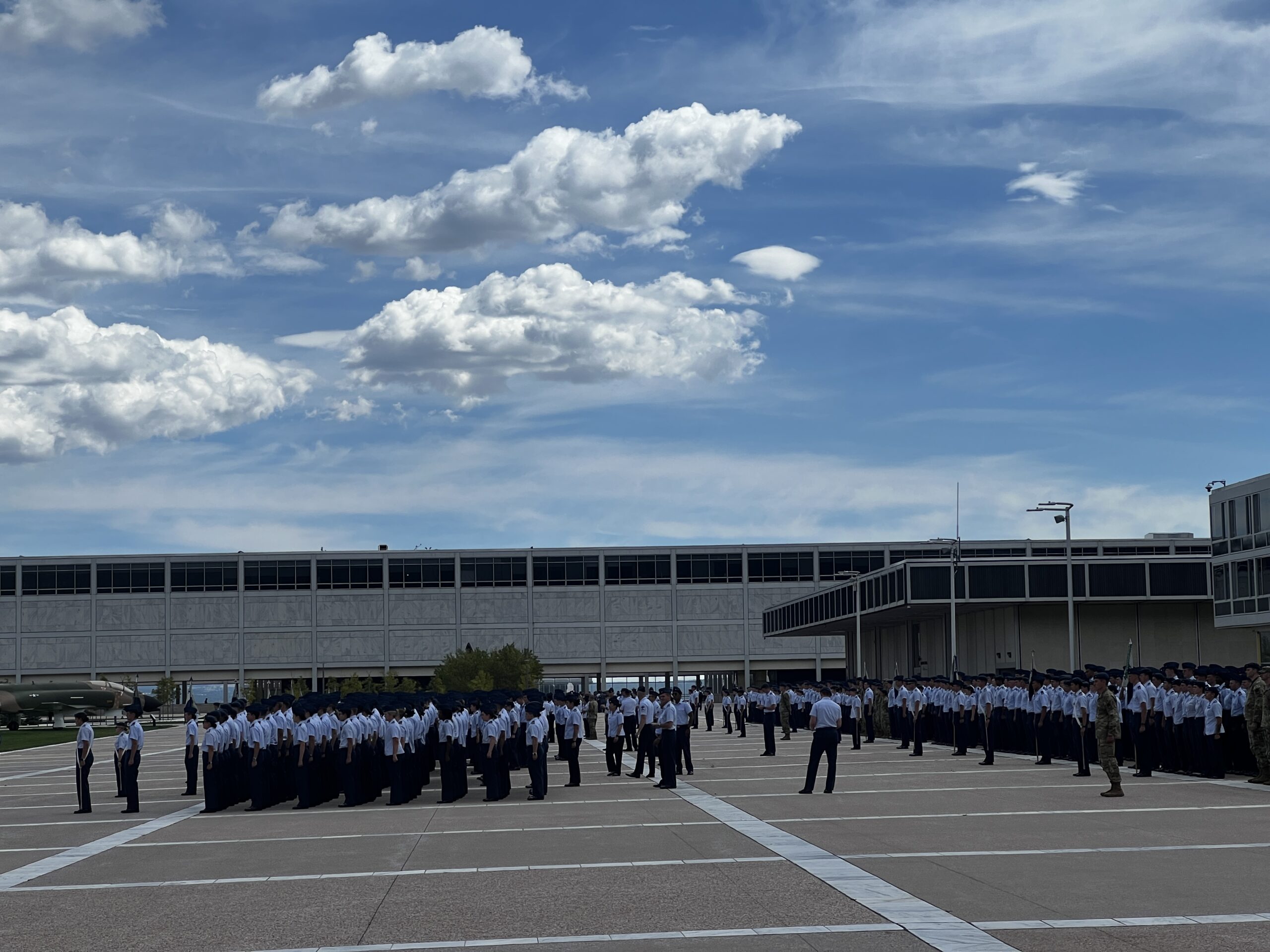
Every cadet at the Academy is not only a student but also an athlete. Whether competing on NCAA Division I teams or in intramural and club sports, each cadet is required to participate in competitive athletics. This expectation ensures that physical readiness is not just a requirement, but a way of life. The daily demands of training, academics, and military duties combine to create an environment where perseverance, grit, and determination are tested and strengthened. The discipline forged through this balance of physical and mental challenges is one of the hallmarks of Academy life.
Academic and Personal Growth at the Academy
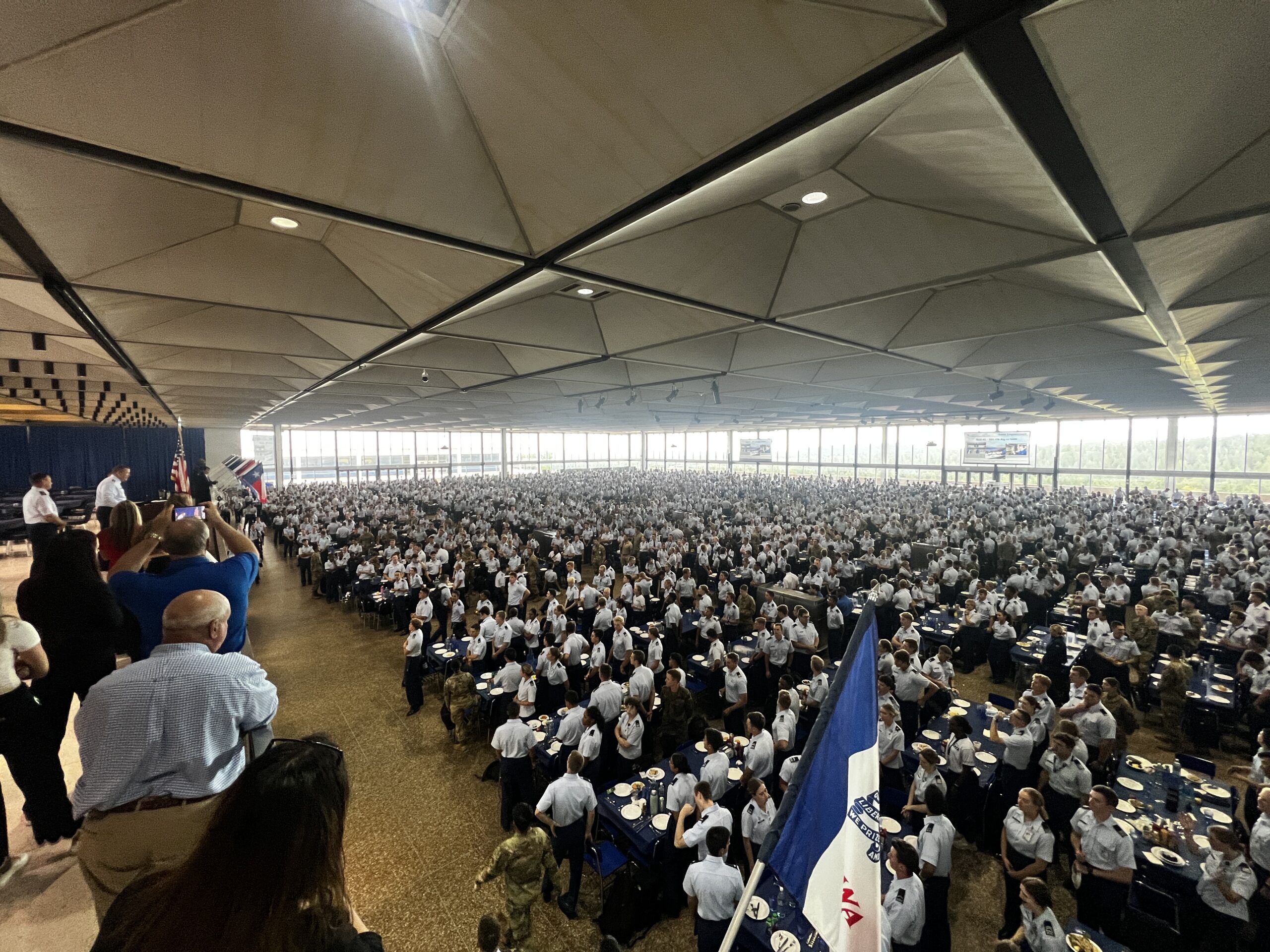
At the Academy, cadets pursue Bachelor of Science degrees across 30 fields of study, with additional minors available. Each cadet is paired with a sponsor family, creating a vital connection to the community and offering a sense of home away from home. This balance of academic rigor, personal support, athletic challenge, and character development is central to the Academy’s unique approach.
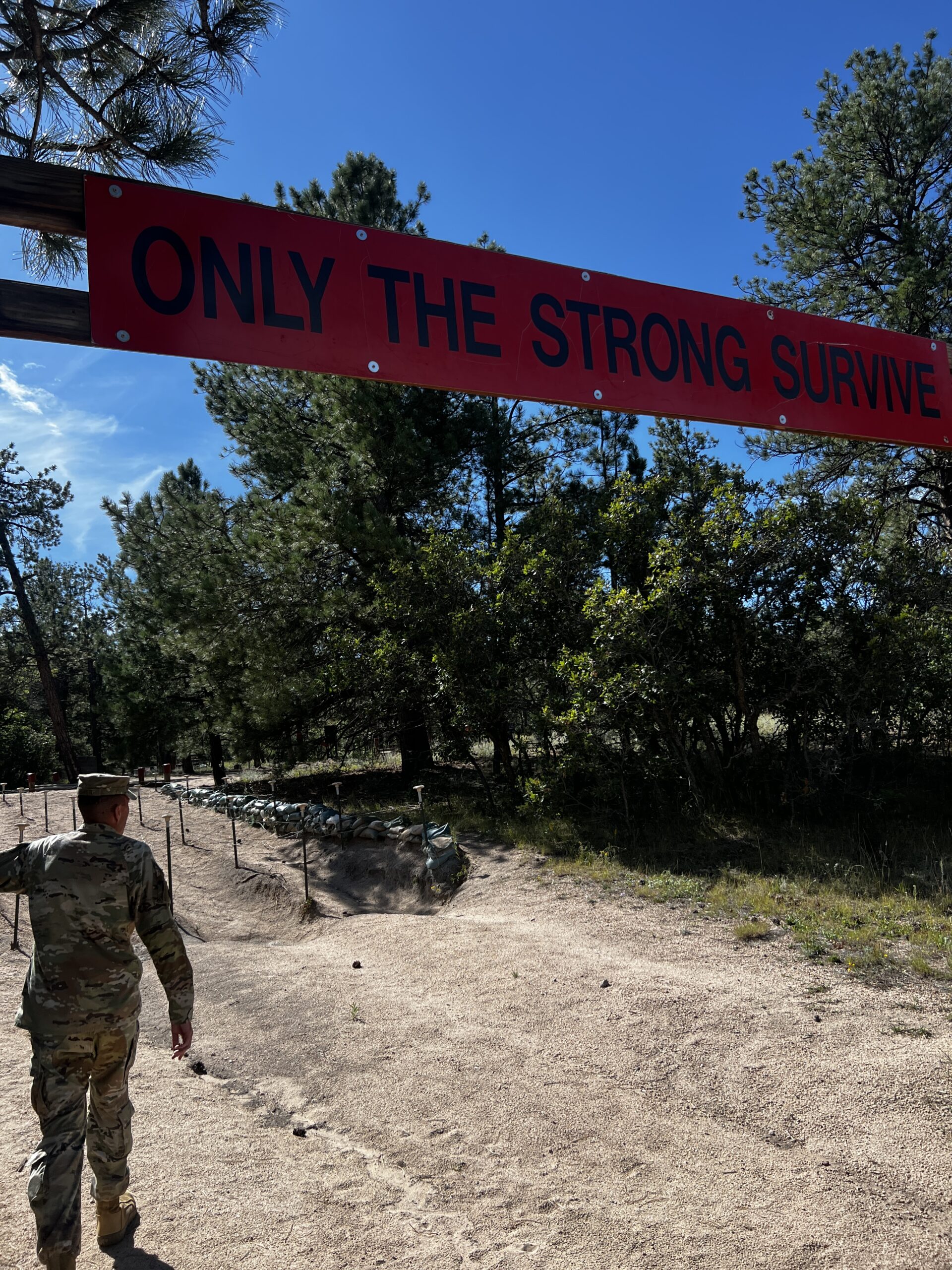
Jacks Valley: A Crucible of Leadership
Perhaps no experience better represents the forging of cadets into future officers than Jacks Valley. This sprawling training ground is where cadets endure some of their most physically and mentally demanding experiences, from obstacle courses and field exercises to combat training and leadership development under stress. Jacks Valley is more than a test of endurance—it is a crucible where cadets learn to lead, to follow, and to rely on their teammates in the most challenging of circumstances. The lessons learned there stay with them for life.
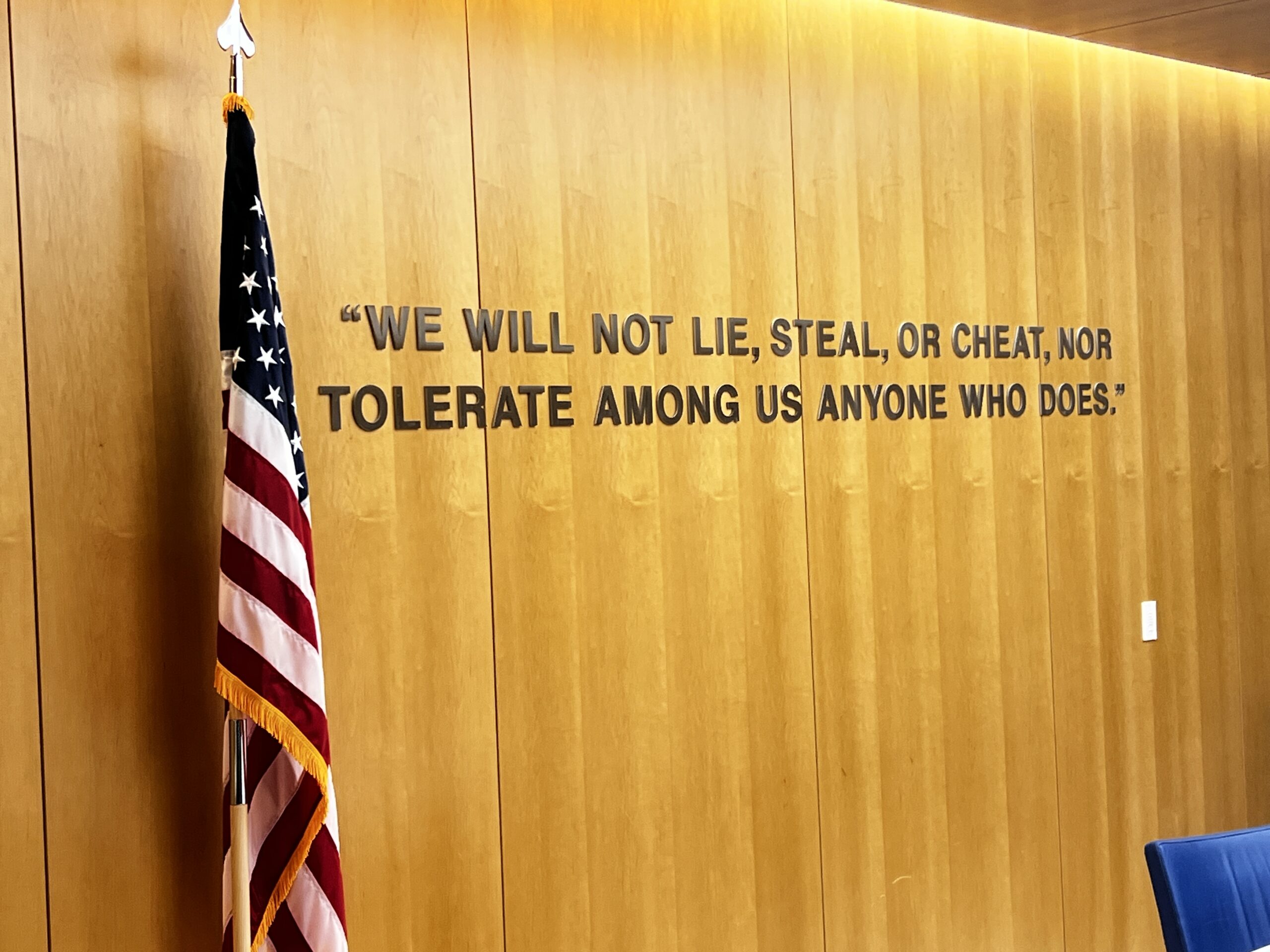
Polaris Hall and the Honor Code
One of the highlights of our visit was Polaris Hall, a stunning facility built entirely by donor support and dedicated to leadership development. The mission there is simple but profound: to help cadets make “the right decision, the right way.” At the heart of this commitment is the Academy’s Honor Code—“We will not lie, steal, or cheat, nor tolerate among us anyone who does.” The cadets themselves uphold this standard, holding each other accountable in a way that ensures the culture of integrity is embedded deep into the future leaders of our Air Force.
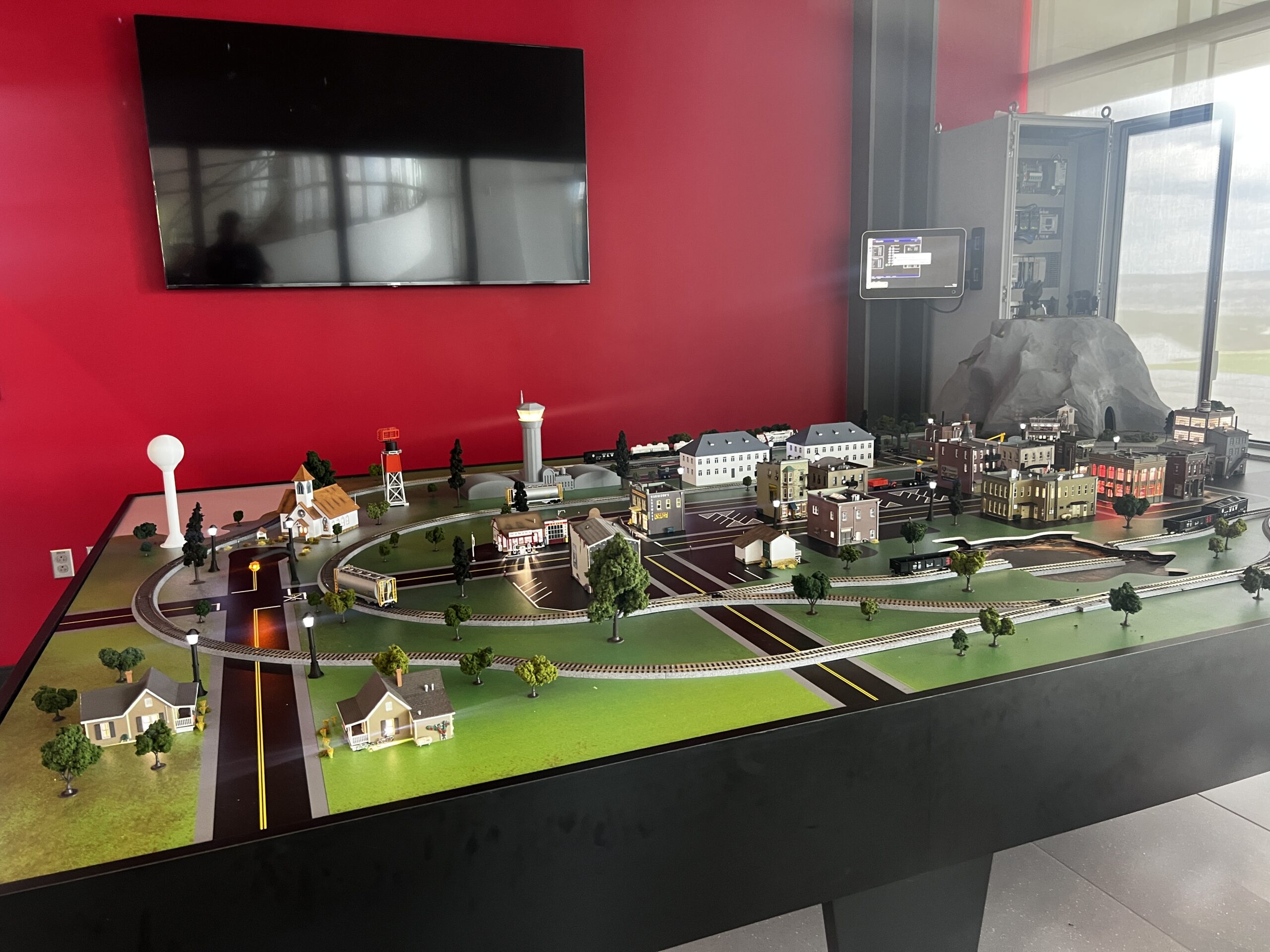
CyberWorx: Innovating for the Future Fight
The Academy also looks forward, preparing cadets not only for the challenges of today but for the rapidly evolving battlespace of tomorrow. The CyberWorx department is a prime example. This cutting-edge program integrates technology, innovation, and problem-solving to train cadets in cyber defense, artificial intelligence, and advanced digital operations. Working on real-world challenges, cadets learn to think critically, innovate rapidly, and strengthen our nation’s resilience against cyber threats. It is a reminder that the Air Force Academy is as much about intellectual warfare as it is about physical and aerial dominance.
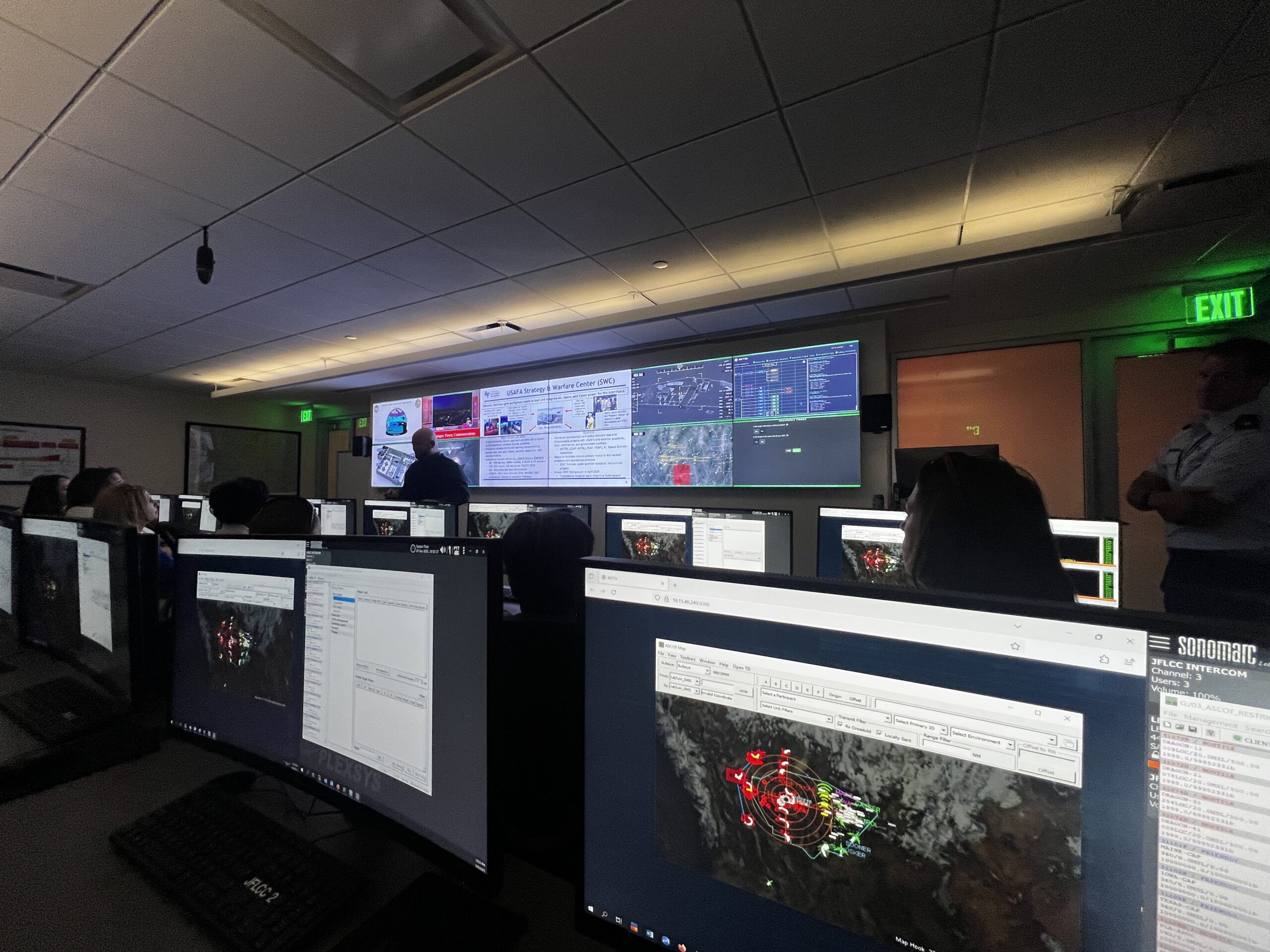
Preparing for Future Wars and Global Competition
Perhaps the most striking impression from our visit was how intentionally the Academy prepares cadets for the future of warfare—one shaped by global power competition, emerging technologies, and rapidly shifting threats. The cadets are trained not only to fly, fight, and win in the skies, but also to anticipate challenges in space, cyberspace, and across multi-domain operations. They study strategy, geopolitics, and the hard realities of deterrence, learning that America’s security requires leaders who can out-think, out-adapt, and outlast adversaries in an era of great power rivalry.
Connecting Scott AFB and the Academy’s Mission
Standing at the Academy, I could not help but think of the vital role Scott Air Force Base plays every day. From transporting wounded warriors home to delivering humanitarian relief across the globe, to enabling our nation’s ability to project power anywhere, anytime—Scott AFB ensures the mission gets done. The Academy, in turn, is preparing leaders who will one day command these operations. Whether leading a mobility wing, directing cyber defense, or planning global logistics, the cadets I met will inherit the responsibility of sustaining and advancing Scott’s legacy of excellence in global mobility.
Professionalism and Promise
Throughout our time on campus, the professionalism of the environment was unmistakable. From the classrooms to the training fields, every cadet we encountered carried themselves with discipline, confidence, and a deep sense of purpose. It was a powerful reminder that the future of the Air Force—and our nation’s defense—is in extraordinarily capable hands.
The Air Force Academy is not simply an institution of higher learning; it is a forge where young men and women are transformed into leaders of character, ready to defend freedom and serve with honor. Having seen their commitment firsthand, I am confident that the next generation of Air Force officers is ready to meet the challenges ahead.